





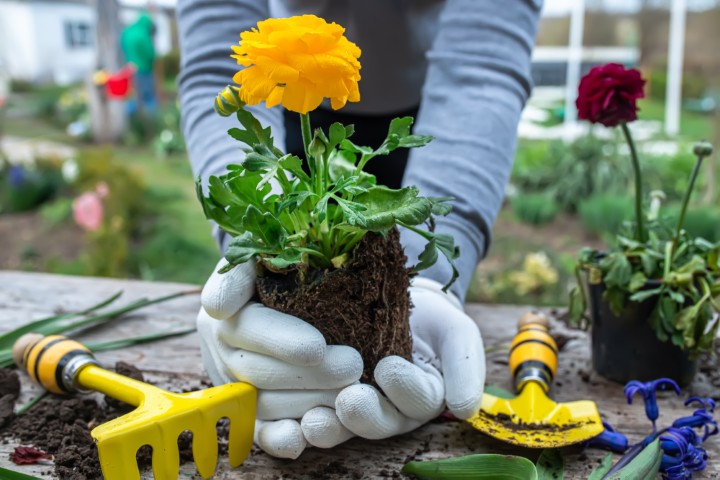
Some gardens begin with grand ambitions. A patch of roses to rival the neighbors, a row of tomatoes lined up like little soldiers, or perhaps a teeming border of color in the front yard. Others though, sneak up on you like a forgotten pot of mint by the kitchen step or a stubborn geranium on the window ledge that keeps coming back, year after year. More than the plants themselves, it’s the habit of returning to a garden, season upon season, that marks time and memory.
A friend of mine, Eleanor, still keeps her backyard in quiet order, though she’s long made peace with the slower pace. She often says the weeding is never really finished, and laughs, because it’s not about finishing. The small tasks—a bit of watering here, a gentle check on the rhubarb, add subtle punctuation to her afternoons. The garden forgives her when she misses a day or two, just as it did when her hands moved faster.
Watching things grow has a humbling effect. Sometimes the seeds sprout, and sometimes they don’t. Some years, the hydrangeas bloom outrageously blue, and other times, they sulk in the dirt. There are lessons in this: patience, acceptance, and even appreciation for the surprises and setbacks. Many people who’ve spent time with soil find themselves thinking less about the perfect outcome and more about the rhythm—the familiar push and pull of weather, weeds, and willpower.
There’s no need for a showcase garden to enjoy the quiet rewards of tending plants. A small windowsill of herbs, a single pot on a balcony, a cluster of violets passed down from a neighbor, all carry their own meaning. These tokens of growth can be reminders of summer afternoons spent with grandchildren, or the comfort of a favorite mug of tea brewed with fresh mint. Sometimes, just a morning spent pulling buttercups recalls the childhood gardens of long-ago relatives, and the smell of cut grass becomes a kind of memory shorthand.
One thing about time: it softens the urgency. There’s still satisfaction in the first ripe tomato or a snapdragon that manages to survive the wind, but there’s less disappointment when things go their own way. Mistakes are less dire. A missed week of watering, an overgrown corner, these are just part of the garden’s story. The plants forgive, and so, in a small way, do we.
The sights and sounds of a garden shift in step with the seasons, and sometimes with the abilities of the gardener. Raised beds, long-handled tools, or a simple folding stool beside the flower pots can change the way a person works without draining the enjoyment from it. Those adjustments don’t steal the pleasure—they just help the gardener and the garden continue to meet one another.
It’s not unusual to find comfort in pattern and repetition. There’s a solace in tracing the same steps along a garden path each morning, spotting new shoots where none showed the day before, noticing the eager tapping of a chickadee or the sluggish buzz of a lazy bee. Many people find, as the years stretch on, that these simple, repeated acts are anything but routine. Each day in the garden is quietly singular, and the slow work of tending never quite loses its purpose.
Even those who have left behind a plot of earth often carry the memories of past gardens—a patch of nasturtiums against a brick wall, the smell of lilac heavy in the evening air, the time a neighbor shared cuttings over the fence, and a new friendship put down roots. There’s a lasting satisfaction in knowing that, however modest the scale, caring for growing things shapes the pace and mood of a day. Sometimes it offers a gentle invitation: step outside, brush the dirt from your hands, let the small acts of attentiveness work their quiet magic again.
As the seasons shift and the gardens change, the gardener, too, shifts and grows. The most beautiful corners might not be the ones planned so carefully, but those that remind us, softly, persistently, of time well spent and the gentle persistence of life, year after year.
