





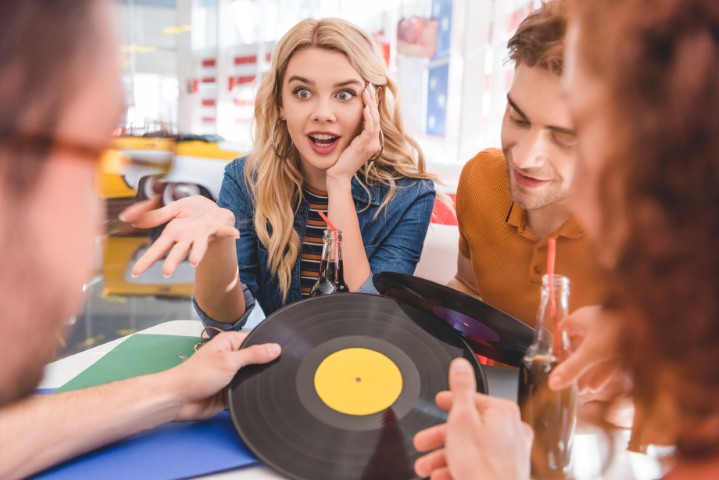
Sales of vinyl records, once thought to be a relic of the past, continue to soar across the United States, with data from the Recording Industry Association of America (RIAA) showing a steady rise through 2023. For many people aged 65 and older, this trend offers both a nostalgic return to familiar rhythms and a way to share music with younger family members.
Vinyl surpassed CD sales in 2022 for the first time since the 1980s, a remarkable milestone considering the dominance of digital formats. This year, shops specializing in records across cities such as New York, Chicago, and San Francisco have reported brisk business, often driven by customers seeking classic albums from the 1960s and 1970s. Icons like The Beatles, Fleetwood Mac, and Bob Dylan top the list.
For those who grew up with vinyl, the resurgence stirs memories of evenings spent around a turntable, the distinct sound and ritual of placing a needle carefully on a spinning disc. Music historian Dr. Helen Carver notes that the tactile experience of vinyl can reconnect listeners to the past in a way streaming rarely does. “It’s about more than just the sound,” she says. “The album art, the physical presence of the record—these all create a fuller experience.”
Beyond emotional resonance, there are practical aspects that resonate with older adults. Many find that turntables and records allow for more deliberate listening, which dovetails with cognitive benefits linked to engaging with familiar routines and sensory experiences. Research from the University of California has suggested that such involvement can support memory and focus, areas often of concern in later life.
The financial angle also merits mention. Authentic vintage records have become collectible commodities, appreciating in value much like art or antiques. Older adults who held onto their collections might find them more than sentimental treasures; some records now command hundreds or thousands of dollars on auction sites. This market, however, requires caution as condition and authenticity affect value substantially.
Retailers report a growing number of customers over 60 who are new to vinyl as well. Some are picking up turntables for the first time, drawn to the warmth of analog sound and the charm of album packaging. Stores have adapted by offering beginner-friendly setups and educational resources, catering to various levels of familiarity.
While streaming services provide convenience, the vinyl resurgence reminds us that music consumption is not only about access but also about connection—whether to the artistry of the musicians, the artwork that accompanied records, or the communal memories they evoke. This dual appeal across generations keeps vinyl relevant well beyond its original heyday.
Looking ahead, the steady interest from older adults suggests that vinyl will maintain its niche in the music landscape. Regardless of digital advancements, the experience of sitting down with a record and its physical presence remains meaningful. For many, it continues to be a source of comfort, reflection, and joy in everyday life.
