Tag: evergreen-articles

for Evergreen posts

  • Shared Cups, Quiet Moments: The Shapes Love Takes Over Time

    Shared Cups, Quiet Moments: The Shapes Love Takes Over Time

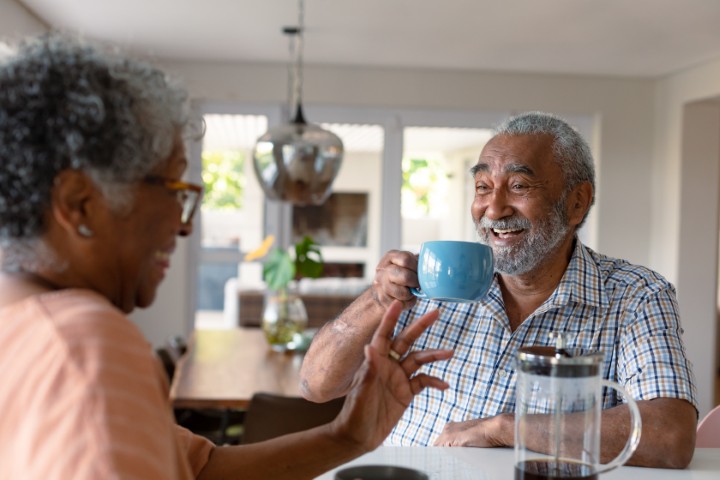
    Some mornings, the only conversation I have with my husband before the newspaper arrives is a simple, wordless passing of the coffee pot. He pours, I add cream, and the day unfolds without drama or choreography. Years ago, the start of our day was filled with busy children, decisions, reminders, the punctuation of slamming doors. Back then, I might have thought that a day like this—two people at one table, more silence than words—meant something was missing. Now, I know different.

    It’s easy to assume the shape of love stays steady through the decades. The stories we grew up with promised declarations and steady devotion, grand gestures for anniversaries and birthdays. Yet love, if we watch it quietly, cannot help but shift and settle with us as we change. The tender urgency of young romance softens, and in its place grows something quieter: the small, daily things that prove you are not alone.

    My friend Eleanor often tells the story of the first time her husband installed an outdoor light by the back door. “It never occurred to me to ask for it,” she says. “The way that porch bulb shone made me feel safer than any bouquet ever could.” When you hear these everyday gestures, it’s clear: affection is often something you notice only in reflection, textured by time and circumstance.

    For people in their sixties, seventies, and beyond, relationships can take on a different hue. Some couples are negotiating retirement together, navigating a house suddenly quiet in the afternoons. Others are single again—by fate or choice—and discovering the slow joy of friendships that grow deeper over board games, community projects, or simply sitting together on a breezy afternoon. There’s no single prescription for connection, but a common thread is a willingness to adapt as needs and circumstances change.

    Change, of course, comes whether we invite it or not. Health shifts. Family configurations alter. Sometimes old friction eases, sometimes it stirs up anew. One neighbor shared with me that after sixty years together, she and her husband still bicker fiercely over housekeeping, but over dinner they laugh it off and leave it where it was. “We’re both too old to keep score,” she grins, brushing crumbs off the table.

    When people look for advice on relationships later in life, they’re often hoping for a map: how to keep the spark, how to address new challenges, how to stay close when rhythms and routines have shifted beyond recognition. But the stories people share rarely involve perfect solutions. More often, they are about forgiveness: letting go of irritations that no longer matter, recognizing that love sometimes looks like stepping back, choosing peace over winning. Small accommodations—sharing a favorite chair, remembering how someone likes their tea, giving space for a mood—add up over years.

    Sometimes, connections are built or rebuilt not through conversation but through action. I know a couple who each lost a spouse, and began their relationship later in life. Their fondness grew over shared errands, tending a garden, trading favorite poems in the mail. There is grace in finding someone who meets you not as you were at twenty-five, but as you are now—with some aches, some baggage, yet with more room for patience and acceptance.

    It is just as true that solitude can be companionable. I think of my aunt, whose circle of friends gathers every Saturday morning for a slow walk in the park. Their chatter loops and meanders; sometimes it’s confessions, sometimes old memories, sometimes simply observations of the week’s weather. These friendships, she says, hold her steady. Being single isn’t a lack, just a different arrangement of togetherness.

    After many years, the textures of love and connection change. Glances become a shorthand, jokes shared over decades require only half a word. The knowledge of another person’s habits can be a comfort or an occasional irritation, but it is always a familiarity—like the worn spot in an armchair that fits you better each year. If life brings loss or new beginnings, the capacity for affection is still there, perhaps deeper than before, shaped and seasoned by the passing seasons.

    It can be easy to overlook these quiet ties in favor of grand stories, but—given time—it’s the gentle persistence of everyday kindness that shapes the strongest bonds. However the shape of your connections may look now, there is meaning in each shared cup of coffee, each porch light switched on, each comfortable silence. These moments, repeated and reliable, are the forms that love and friendship often choose as the years go on.

  • Porch Lights and Passing Seasons: The Stories We Tell Without Words

    Porch Lights and Passing Seasons: The Stories We Tell Without Words

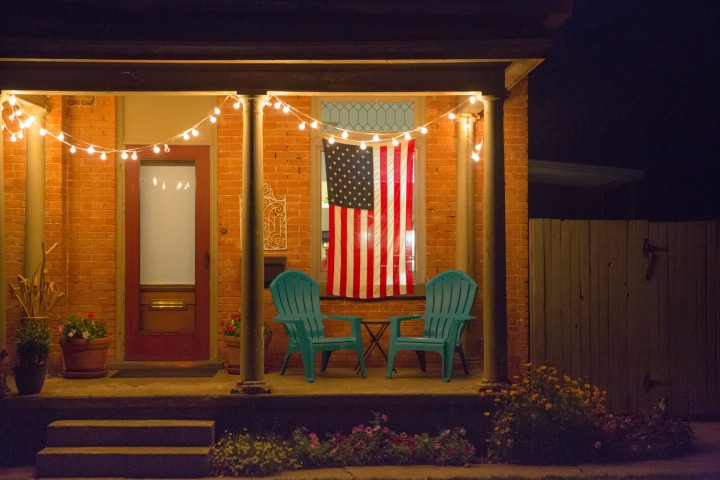
    Most summer evenings, my neighbor Dorothy flicks on the porch light just as the sun hits the tops of the old maples. It’s a quiet signal, almost ceremonial, and I’ve come to notice how that small ritual seems to mark the day’s end not just for her, but for this entire block. We don’t talk about it, yet everyone knows. On the rare nights the light stays dark, we wonder if she’s away, or just turned in early, and there’s a small, gentle gap in the usual rhythm of the street.

    That’s the thing about where we live: long-shared places shape their own wordless language. A neighbor’s door propped open means there’s pie (or heartbreak) inside. A garden left unweeded hints at a busy stretch or a hard month. It’s possible to know volumes about each other, even when all we exchange is a wave across the fence. Over time, these quietly observed signals become their own kind of story—a story of patience, interwoven lives, habits built with care over years, not days.

    When you’re younger, stories often arrive with some loud event—a big trip, a bold decision, a new start. But past a certain point, I’ve found, the more resonant stories slip in sideways, woven from the everyday. I think of the time my brother borrowed Dad’s battered truck after his divorce, and how, years later, a younger cousin used the same truck to move out for college. No grand retelling at holiday dinners, just the truck showing up in family driveways now and then, quietly hauling one chapter into the next. Even the scratches on its bumper have stories, if you know where to look.

    We tell a surprising amount by what we choose not to say. I remember a friend’s mother, who always put on her Sunday hat even on the difficult days when she felt low. No one commented, but each week, her hat was as much a sign of hope as any spoken prayer could be. It’s the kind of communication only visible to those who’ve known you long enough. A weary sigh, a stack of cookbooks left out, an old photo facedown—over the years, these habits become another kind of conversation.

    Not all stories are kindly ones, of course. There are days when the porch light comes on earlier than usual, and it’s because night gathered a little sooner in someone’s heart. But even then, the ritual holds. People notice, sliding into a slower pace, maybe checking in the next morning under the pretense of borrowed sugar.

    Owning these quiet narratives feels different from the tidy stories you might share at a family gathering. There’s a humility in how they’re built. Sometimes, the most enduring stories are the ones barely told at all, quietly stitched into the fabric of seasons passing and habits kept. Growing older reveals just how much can accumulate in a single place, and in the people who stay close by, without much fuss or declaration. It’s a comfort to know that even if memory falters or stories lose their sharp edge, the everyday language of lights flicking on at dusk or a careful row of tulips means that the story holds steady, as real as any tale told aloud.

    There’s much to learn from these passing seasons, and from the way a block of neighbors or a family line can write an unspoken history together. The porch light will keep switching on, as it always does—part notice, part reassurance, and entirely alive to anyone who cares to watch. This, too, is storytelling: a kind of gentle continuity, etching meaning across the quiet span of an ordinary evening.

  • Weathering the Changes Together: How Long Relationships Grow and Shift Over Time

    Weathering the Changes Together: How Long Relationships Grow and Shift Over Time

    Near the end of her eighties, Marjorie often caught herself standing beside the kitchen window, watching the way sunlight moved across the old maple in her backyard. Some mornings, Ed would join her. For over sixty years, they’d made coffee and small talk, sometimes comfortably silent, sometimes sharing stories they’d both heard before. The rhythm of those years had changed; the kids gone, careers finished, daily companionship finding new meaning each season. Ed’s hearing was worse now, and Marjorie’s knees ached, but their partnership still felt familiar, if quieter.

    Relationships, especially those that have lasted decades, have a shape and life of their own. They gather years and grow rings like trees—some years thick and full, others marked by weather and change. It’s an odd comfort to discover how even the closest of bonds evolve in subtle, sometimes surprising, ways.

    Early years together can feel like an invention—two people making a world together out of hope and accidents. There are rituals that form almost by accident: the way one cuts carrots, the particular creak of a hallway floorboard, the story that’s always told at gatherings. These details accumulate quietly, until suddenly, a life is built. Along the way, there are the loud markers: weddings, new homes, sometimes heartbreaks that settle in and change the temperature of a household for a time. But in the long run, it’s often the smaller acts—a hand resting on a shoulder during a difficult day, laughter at a private joke—that sustain the connection.

    As time passes, plans shift. Children become adults and move away, careers wind down, and daily rhythms change. Some couples find themselves negotiating new roles—learning how to live together again without the distractions of busyness. Even relationships between long-time friends or siblings can require navigation at this stage. There can be an awkwardness to figuring out what it means to share long stretches of time, but many discover new ways to be together. Maybe it means separate hobbies in adjoining rooms, or it looks like long, meandering conversations about nothing in particular.

    There are also the hard patches—the illnesses and losses, the ways in which partners or friends become mirrors for our own aging. It can be jarring when someone you’ve always leaned on needs your support, or when the balance of care shifts bit by bit. For some, offering help comes naturally. For others, it takes effort and patience to adapt, to recognize that needing help doesn’t mean giving up independence or dignity.

    New understanding can emerge during these changes. Moments of vulnerability—admitting a fear, asking for patience—sometimes build a deeper sense of trust. On certain afternoons, memories have a way of surfacing, bringing laughter alongside bittersweet recognition of time passing. Many find that forgiveness becomes a gentle companion; old grievances seem less important as milestones fall into the background and the value of continuing together grows more precious.

    Of course, there are relationships that don’t last a lifetime—friendships that drift, marriages that end. Yet even in these instances, the imprint remains. After all, to share years with another is to share pieces of yourself. Many people, after a long marriage or deep connection ends, carry both gratitude and regret in equal measure. For some, new partnerships and friendships do blossom later in life, often less driven by urgency and more by shared interest and the comfort of understanding.

    In communities where isolation can sneak in, small gestures—a shared afternoon at the park, a cup of coffee after a doctor’s appointment—take on added meaning. Sometimes, relationships deepen just from showing up, gently, again and again, without expectations or grand declarations.

    Looking back, many who have weathered decades alongside someone else describe their bond not as a fixed story, but as an ongoing practice. It’s rarely without imperfection. But perhaps endurance, in relationships, is less about getting it right each day and more about allowing room for growth, understanding, and even change. A long marriage, a substantial friendship, or a lifelong sibling bond—these things gain shape through the ordinary days, threaded together by patience as much as by passion.

    There’s a quiet dignity in loving someone long enough to see the seasons shift again and again. As Marjorie watched the sunlight edge higher on the maple, she knew there would come a morning when she stood at the window alone, or perhaps Ed would be the one sipping coffee in silence. For now, though, they stood together, weathered and changed, as much themselves as ever, and—perhaps because of all these years—still learning new ways to care.

  • Melodies We Carry: How Songs Travel with Us Through Life

    Sometimes you catch a melody in your mind before your feet hit the floor. For me, it’s the scratchy sound of a portable radio from 1969, the chords of a song my older sister hummed while packing school lunches across our brown Formica counter. That tune still shows up, unannounced, on rainy afternoons when I’m sorting through old mail. Music has a way of weaving itself through our days, lingering even when we forget why we started singing in the first place.

    For many, music is a kind of time traveler. A simple opening note can redraw the room you grew up in, plop you right back into the crowded church hall, or summon the sense memory of sticky-fingered grandchildren dancing in circles. Some things fade with the years, but music sticks. It resists the drift of memory, settling in surprising corners of everyday life.

    There’s a small café not far from my apartment, and on Thursday afternoons a retired jazz guitarist named Sam sets up by the window. Familiar faces gather: a woman with silver hair and a portable knitting bag, a man in work boots who never seems to finish his crossword. Sam’s fingers move with the patience of someone who understands the pauses between notes matter just as much as the melodies. Folks nod along to standards and the relaxed hum in the room feels like a warm sweater—threads linking us to old records and quieter evenings.

    We don’t often talk about the real work music does between the big occasions. It has a steady background presence that can comfort a restless spirit or stir up a forgotten ache. A song might hang behind you in the garden, slip between verses while you fold laundry, or chase you during an early morning walk before the world is fully awake. There’s no ceremony about it. The small rituals—tuning the radio, winding a grandfather clock with each measure—are as much a part of a song’s staying power as the lyrics themselves.

    Music is also a bridge, especially when conversation stumbles. In one neighbor’s living room, three generations try to understand each other over baked goods and opinions. Often, a shared song is what brings the laughter back, mixes memories old and new. It’s not nostalgia exactly, but something deeper: the sense that we’re participants in a long chorus, not just listeners on the sidelines.

    Of course, tastes shift. Songs you loved for decades may suddenly sound a bit different, just as faces in old photographs take on new meaning. Sometimes you find yourself drawn to unfamiliar sounds—a grandchild’s playlist, a concert in the park—and it surprises you how easily a new tune finds a place alongside the old ones. It’s a reminder that music doesn’t belong to one decade, or one stage of life. It belongs to whoever needs it, whenever they do.

    There’s a comfort in knowing the soundtrack of your life can be remixed at any moment, that the record isn’t fixed. On quiet nights, I still hear strains of that long-ago lunchroom, layered with today’s discoveries. It’s a gentle gift, these melodies we carry and the new ones we’re willing to let in. If you catch yourself humming once in a while, know you’re in good company. The songs we keep close travel with us, softly marking the time.

  • The Language of Value: What We Learn from a Lifetime of Spending and Saving

    There is a certain quiet wisdom that settles in after decades of watching dollars come and go. I see it in the way my neighbor irons her grocery lists, weighing every coupon like an old friend. I hear it in the patient cadence of a friend’s story about his first summer job, mowing lawns for a dollar an hour, the bills crisp and strangely magnificent. Living through different cycles—recessions, windfalls, tight times and looser ones—shapes how we think about money, sometimes sharpening our habits, sometimes softening them.

    Money isn’t just about numbers on a bank statement. It’s woven into our rituals and memories, like the jar of spare change my father kept on top of the refrigerator. When enough pennies gathered, it meant a movie matinee, popcorn included, or a small treat from the corner store. Even in leaner stretches, some small pleasures were set aside. Not to teach lessons, just to hold on to a sense of possibility.

    Over time, it gets easier to recognize the difference between the things that bring comfort and those that only promise it. The pull of mail-order gadgets fades, replaced by the familiar pleasure of fresh coffee brewed just right. A part of becoming older is understanding what truly feels like enough. And for many, this means finding a balance—spending without guilt on moments and people that matter, saving without letting anxiety crowd out kindness to oneself.

    The act of budgeting can feel less like a chore and more like quietly tending a garden. In youth, the attention often falls on what’s missing or needed next. With years, there is a subtle shift. You might find yourself reviewing a bank statement less for errors and more out of curiosity: Did I really enjoy that meal? Was the new sweater a treat or an impulse?

    It’s common, too, to look back at earlier money decisions and cringe—or smile with a kind of rueful affection. There are old checkbooks tucked in a drawer, their faded ledgers showing ambitious savings plans, whimsical purchases, and the stubborn march of fixed expenses. Some choices were lucky, others costly. If anything binds these memories together, it’s the knowledge that money alone rarely brings peace of mind. But the stories it carries—well, those linger.

    I once knew a couple, both retired teachers, who saved for decades with quiet diligence. When the time came, they chose to spend on travel, visiting their grandchildren across the country. Each story they brought home—a funny airport mishap or a picnic by the sea—felt worth every scraped-together penny. Their careful saving granted them the means, but it was the willingness to spend on connection that gave their money meaning.

    Not everyone has the luxury of abundance in later life, but resourcefulness finds its own currency. I notice the subtle economies in friends who swap garden produce, or those who share subscriptions to read the newspaper or watch a favorite series together. There’s a shared pride in making do, in the creativity that surfaces when one is not simply buying solutions but making them. A retired neighbor, handy with tools, once fixed a torn window screen in exchange for a loaf of homemade bread. Both the screen and the loaf seemed somehow richer for the bargain.

    Worries about money still visit, of course. Some nights invite their old anxieties, tallying up medical bills or wondering about the future. Yet these moments often bring with them a deeper sense of perspective—what has already been weathered, what is still possible. Old fears can lose their edge, replaced by quiet confidence in handling what comes next, or at least facing it with honesty.

    It’s also true that money conversations become easier among friends as the years pass. There’s less pretense, more gentle truth-telling. Someone might confess to splurging on a concert ticket because the music called to something within them. Another shares a tip for finding the best deal at the farmer’s market. The awkwardness of past decades gives way to camaraderie—an understanding that no two balances sheet of life’s earnings and spending looks the same, and that’s just as it should be.

    So much of life’s comfort rests in knowing what brings real value, and that definition is personal. For some, it’s the security of a steady account. For others, it’s the occasional act of generosity—a meal for a friend, a donation, time spent volunteering. When I think of the lessons gathered from all these years of earning, saving, and sometimes spending with abandon, I realize they have less to do with sums and more to do with care. Care for oneself. Care for others. The quiet trust that value doesn’t always come with a price tag.

    What remains, after plenty of math and memory, is something less tangible and more lasting—a language of value, carried in the jokes made over split bills, the gratitude in a handwritten thank-you, or the contented sigh after a simple dinner at home. Through it all, money moves beneath life’s surface—a tool, a challenge, a shared story—teaching lessons that don’t fit neatly into statements or coin jars, but add up all the same.

  • The Comfort of Favorite Spaces: Finding Peace in Well-Worn Corners

    Not all places in a home feel the same. Over time, rooms reveal what they can give. The sunlight that lingers across a kitchen table. An old chair near the window that everyone seems to seek out, even the cats. Certain spots welcome us—not in a showy way, but quietly, steadily, turning into something closer to a companion than a piece of décor.

    It’s often the most unremarkable spaces we return to—a patch of porch just wide enough for a chair, a sliver of garden where the tomatoes like to grow. These places keep the shape of our habits. They know the curve of an arm, the weight of a book, the exact spot where a mug fits. They remember us, year to year, even as the world outside changes its pace and expectations.

    People sometimes talk about the urge to reinvent—move furniture, declutter, chase after modern trends—but there’s a deep comfort in what’s already at hand. The sturdy kitchen stool with its dents and wobbles, the end table you bought with your first year’s pay, the faded quilt over your knees on evenings that ask for a little warmth. The comfort is as real as any luxury: here, things are worn into your life, not just placed into it.

    Consider how many conversations have unfolded in these small spaces. Phone calls on weary afternoons, gentle arguments over crossword clues, the pleasure of old friends sharing silence. Rooms remember. A hallway mirror catches a glance, reflecting back a face that has seen seasons move through these walls. Objects earn meaning not by design, but by proximity to memory. A delicate vase, hairline-cracked, stands exactly where you set your keys for twenty years. There is more hospitality in these details than in many new purchases.

    Sometimes, the world outside can feel nosy or hurried, eager to announce the latest improvement. Home instead offers a pause—a permission not to be up-to-date, just present. Time in these well-worn corners comes at its own pace. Reading the morning paper, nibbling cold toast, watching a bird settle on a backyard fence. These moments need no performance. No one is judging your style or velocity.

    A friend once told me her favorite spot was on the steps between the kitchen and backyard, a forgotten in-between not meant for long visits. She sat there as a child to tie her shoes for school, later as an adult to sip coffee and watch her grandchildren wander after crickets. The steps barely fit one person, but they fit every version of herself. Each time she settled there was a reminder: comfort often arrives where no one thought to put a cushion.

    We live in an age fond of movement and novelty. Yet, among those who have lived through more than one era, the conversation often turns back to places that feel like anchors. Not permanent structures, but the corners and cubbies we have inhabited so long that they have shaped to us, and we to them. When we talk about feeling “at home,” we may be talking about these exact places.

    As years pass, the usefulness of well-loved spaces only deepens. Sometimes mobility or stamina change the ways we use a home, and “favorite” might quietly shift to a spot nearer the window or to a tucked-away bedroom chair. This is not loss but adaptation, a sort of gentle truce between body, memory, and place. There’s nothing performative in seeking comfort; it is practical, sustaining, sane.

    One learns, after enough years, that the heart notices details others might overlook—a shadow moving across the carpet, the hush of evening settling over a pile of magazines, the quiet task of winding a mantle clock before bed. These gestures and locations become as personal as one’s own reflection. They tell, in their understated way, the story of what it means to feel rooted.

    So perhaps the next time you notice yourself returning to that same corner—reaching for your mug, lingering over a view, sighing into familiar cushions—you can allow a moment of appreciation. These ordinary spaces have earned their place in the story. They offer a certain kind of peace: not found, but grown, one routine after another, shaped by the gentle weight of a life well-lived.

  • Hands Busy, Mind at Ease: The Gentle Return of Handcrafts

    On a rainy afternoon, the world quiets in a way that makes small comforts more noticeable. A kettle hums in the background. The table’s scattered with a handful of colored wools, knitting needles, and a half-finished scarf. Something about turning string into something warm and familiar with every stitch feels different now than it did years ago. Not indulged as a duty or a trend, but like returning to oneself after a long day.

    Handcrafts have always had a way of weaving themselves into the quieter hours of life. For some, that might mean early lessons in crochet or carpentry, passed down by a parent or grandparent. Others arrive at these hobbies later, unexpectedly enticed by a neighbor’s hand-stitched quilt or a basket of homegrown tomatoes neatly displayed at a community fair. However we find ourselves there, hands and mind drawn back to making things, the pull is often gentle, rooted in memory or curiosity more than ambition.

    It’s hard not to notice the difference in tempo between the world outside and these time-honored hobbies. There’s no rush. A spool of thread or an unfinished oil painting can wait as long as it needs to. Outside, schedules march forward; in the circle of lamp light at the dining table, time ambles, the next step ready only when you are. This slow pace isn’t wasted. It gives your thoughts room to settle. The bit-by-bit progress of a woodcarving or a pie crust, handled quietly over several mornings, brings a kind of private satisfaction. It isn’t competition or obligation. The only real audience is yourself.

    Sometimes there’s a strange comfort in the humility of simple hobbies. Not every pot ends up even. Patterns are occasionally forgotten, replaced by improvised fixes. Hearing others reminisce about baking gone sideways or sweaters knitted two sizes too large draws the group closer, its laughter warm and forgiving. These moments are reminders that the joy lies in the act, not always the outcome.

    In recent years, even as new technologies promise to make life easier or faster, there seems to be a steady return to working with one’s hands. Book clubs are flourishing, but so too are evening classes for pottery, pen-and-ink drawing, or soap making. Some gather with friends; others prefer the solitude. In both cases, there’s satisfaction in focusing attention on materials and movement, freeing the mind from its usual busyness. An afternoon spent painting in the garden or stitching under a reading lamp has a way of brightening the hours in quiet, understated ways.

    These hobbies tend to evoke memory as much as creativity. Standing at a workbench long enough brings back the physical knowledge of how tools feel, the muscle memory for a buttonhole stitch or the way flour wants to scatter no matter how slowly you pour it. Sometimes, midway through a project, you remember an old friend who always kept busy with her hands—a basket-maker who sent gifts in her own creations, or the retired machinist who built wooden toys for his grandchildren every December. Their skills were never about display. They were languages of care, spoken steadily in the background of daily life.

    There is also a peace in creating things that don’t have to be perfect or marketable. The modern tendency to make every pastime into a side business rarely matches the quiet joy of private effort. The neighbor’s sourdough bread, shared with a friend, tastes nothing like the kind from the corner bakery. It’s not just the flavor, but the intention—and often, a story or two folded in. Sometimes souvenirs of these hours are kept—a painted stone on the windowsill, a crooked vase that nonetheless holds every flower from summer’s first blooms.

    The beauty of handcrafts, gardening, mending, or collecting is that their rewards creep up gently. Over time, these projects become old friends themselves. The napkins hemmed one chilly spring now serve at birthdays. The photograph album, once filled in an idle week, is pored over by great-grandchildren three winters later. These hobbies are measured in seasons instead of hours, in memories rather than milestones.

    On certain evenings, the familiar ache in the fingers or the faint scent of sawdust on the sweater makes the whole room feel more lived in. There is a comfort in this—handwork greeting the end of a day, a small accomplishment resting quietly beside the kettle. Hands busy, mind at ease. After many years, it is enough.