Tag: evergreen-articles

for Evergreen posts

  • In Life’s Quiet Seasons, I Found a Garden

    In Life’s Quiet Seasons, I Found a Garden

    Some gardens begin with grand ambitions. A patch of roses to rival the neighbors, a row of tomatoes lined up like little soldiers, or perhaps a teeming border of color in the front yard. Others though, sneak up on you like a forgotten pot of mint by the kitchen step or a stubborn geranium on the window ledge that keeps coming back, year after year. More than the plants themselves, it’s the habit of returning to a garden, season upon season, that marks time and memory.

    A friend of mine, Eleanor, still keeps her backyard in quiet order, though she’s long made peace with the slower pace. She often says the weeding is never really finished, and laughs, because it’s not about finishing. The small tasks—a bit of watering here, a gentle check on the rhubarb, add subtle punctuation to her afternoons. The garden forgives her when she misses a day or two, just as it did when her hands moved faster.

    Watching things grow has a humbling effect. Sometimes the seeds sprout, and sometimes they don’t. Some years, the hydrangeas bloom outrageously blue, and other times, they sulk in the dirt. There are lessons in this: patience, acceptance, and even appreciation for the surprises and setbacks. Many people who’ve spent time with soil find themselves thinking less about the perfect outcome and more about the rhythm—the familiar push and pull of weather, weeds, and willpower.

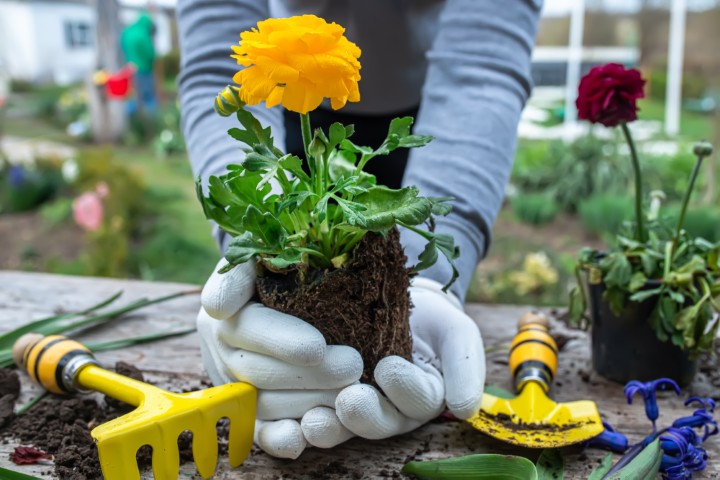
    There’s no need for a showcase garden to enjoy the quiet rewards of tending plants. A small windowsill of herbs, a single pot on a balcony, a cluster of violets passed down from a neighbor, all carry their own meaning. These tokens of growth can be reminders of summer afternoons spent with grandchildren, or the comfort of a favorite mug of tea brewed with fresh mint. Sometimes, just a morning spent pulling buttercups recalls the childhood gardens of long-ago relatives, and the smell of cut grass becomes a kind of memory shorthand.

    One thing about time: it softens the urgency. There’s still satisfaction in the first ripe tomato or a snapdragon that manages to survive the wind, but there’s less disappointment when things go their own way. Mistakes are less dire. A missed week of watering, an overgrown corner, these are just part of the garden’s story. The plants forgive, and so, in a small way, do we.

    The sights and sounds of a garden shift in step with the seasons, and sometimes with the abilities of the gardener. Raised beds, long-handled tools, or a simple folding stool beside the flower pots can change the way a person works without draining the enjoyment from it. Those adjustments don’t steal the pleasure—they just help the gardener and the garden continue to meet one another.

    It’s not unusual to find comfort in pattern and repetition. There’s a solace in tracing the same steps along a garden path each morning, spotting new shoots where none showed the day before, noticing the eager tapping of a chickadee or the sluggish buzz of a lazy bee. Many people find, as the years stretch on, that these simple, repeated acts are anything but routine. Each day in the garden is quietly singular, and the slow work of tending never quite loses its purpose.

    Even those who have left behind a plot of earth often carry the memories of past gardens—a patch of nasturtiums against a brick wall, the smell of lilac heavy in the evening air, the time a neighbor shared cuttings over the fence, and a new friendship put down roots. There’s a lasting satisfaction in knowing that, however modest the scale, caring for growing things shapes the pace and mood of a day. Sometimes it offers a gentle invitation: step outside, brush the dirt from your hands, let the small acts of attentiveness work their quiet magic again.

    As the seasons shift and the gardens change, the gardener, too, shifts and grows. The most beautiful corners might not be the ones planned so carefully, but those that remind us, softly, persistently, of time well spent and the gentle persistence of life, year after year.


  • Second Looks at Familiar Devices: How We Make Peace With Everyday Gadgets

    Second Looks at Familiar Devices: How We Make Peace With Everyday Gadgets

    The first time my granddaughter tried to explain the family group chat to me, I nodded politely, pretending the swiftness on her phone made any sense at all. She rattled off quick instructions, her fingers darting across the glass like small birds. To my eyes, the icons and pop-ups multiplied faster than I could follow.

    Later that night, when things were quiet and the house had settled, I sat in the armchair with my phone and tried again. Slowly. It was not the first time I found myself retracing steps to understand something everyone else seemed to know by heart. There’s a particular humility in learning at this stage of life, especially when it comes to technology, and sometimes, a quiet pride, too.

    Growing accustomed to new devices isn’t as tidy as the commercials suggest. Even small changes—an updated remote control, a doctor’s new patient portal, the altered layout of an online newspaper—can disrupt the gentle rhythms we form. Some days, it can feel as if the world keeps rearranging itself just as we’ve made peace with it. A friend once told me she unplugs her Wi-Fi every time it confuses her, hoping a bit of ‘rest’ will calm it down. We laughed, but there was wisdom in it: sometimes we all need a pause before things make sense again.

    Over time, I’ve noticed I have my own routines for these moments. I keep a notebook with passwords that mean something only to me. My husband, more practical than sentimental, writes his on unlikely scraps of paper—one stuck inside a National Geographic from 1978. The pattern is familiar among my friends and neighbors. We invent our own ways to fit these new shapes into our old lives. It may not be efficient, as the technology folks say, but it works well enough for where we are.

    There’s often talk of the digital divide, but what’s rarely mentioned is how much quiet ingenuity goes on in the margins. I’ve learned more from neighbors than any manual: how to silence an unexpected alarm, how to rescue a vanishing document, and tricks for resizing the font when tired eyes protest. People help each other in small, generous ways—the same way folks used to lend a wrench or offer advice on pruning roses. These new lessons feel oddly similar. They travel by word of mouth, through trust, and the kindness to explain without hurrying.

    Not every piece of technology is a welcome guest. I still bristle at robocalls, and the voice assistants with their too-cheerful answers sometimes make me miss the satisfying clack of our old rotary phone. Yet, when my cousin’s grandson was hospitalized last winter, her tablet was a lifeline. She talked to him every day, saw his smile, and sent him photos. She told me afterward that seeing his small face on the screen was better than any letter, better even than a telephone call. In that moment, wires and circuits came closest to warmth.

    Truth be told, some gadgets remain unopened. A digital picture frame, given by my son, sits in its box. Every now and then I think about setting it up, but there’s comfort in the familiar stillness of paper photographs. Maybe one day, when curiosity outweighs hesitation. For now, there’s no hurry.

    The world won’t wait for us to catch up, but it rarely leaves us entirely behind. We discover our own paces, just as we always have. Technology, for better or worse, is only another piece of the household—a little unpredictable at times, but not impossible to live with. I can manage the basics now, most days. When I find myself lost again, I remember what my neighbor said: ‘Don’t be afraid to press buttons. That’s how you find what works.’

    It’s a kind of truce we make, these familiar devices and us. Both changing, both holding traces of what came before. In their pale glow, sometimes there’s confusion, sometimes a laugh, and sometimes a quiet sense of belonging, threaded through all the updates and forgotten passwords. That feels like enough.

  • Threaded Together: How Changing Roles Shape Long Relationships

    Threaded Together: How Changing Roles Shape Long Relationships

    A few nights ago, I found myself up late smoothing the corners of a patchwork quilt that’s lived on our guest bed for decades. The stitches are uneven and the fabrics don’t always match, remnants from shirts, dresses, and cloth napkins. My late mother started it. I finished it, eventually, though she never saw the last squares go in. Looking at the quilt, I counted at least three different sets of hands: hers, mine, and my granddaughter’s, who added a small square right in the middle—a tiny, garish owl, oddly cheerful among all the faded plaids. It dawned on me how a lifetime of relationship is much like that quilt, changed by the hands that tend it, altered at the seams each time life shifts direction.

    Long relationships—marriages, friendships, family bonds—inevitably reshape over the years. The early days might have a certain warmth: morning routines with a partner, lively weekends with children, neighbors gathering around picnic tables. Gradually, habits settle in, roles get comfortable. Sometimes, almost without anyone noticing, those roles begin to shift.

    For my friend Irene, who has been married nearly forty years, it was retirement that drew a new line through daily life. Her husband, once an early riser, began sleeping in. She, in turn, started enjoying the quiet of long breakfasts alone. Their mornings had run side-by-side for most of their marriage. Now, they found new value in a little solitude—then found each other again for lunch, stories waiting.

    These adjustments can arrive quietly: the subtle tilt of power after a partner’s illness, a son stepping up when his mother slows down, neighbors trading snow shoveling duties as someone recovers from surgery. Perhaps the biggest surprise is realizing that a relationship can survive, even thrive, precisely because it flexes to match real life. Irene told me that learning to leave each other space—while still making time for their shared interests—carved out a calm confidence in their home, different from the busy closeness of younger years.

    Of course, not all changes come with a sense of ease. Sometimes, the shift feels more like a loss. The death of a spouse or close friend, or a divorce later in life, can throw a person off balance. I met a man in his seventies who, after his wife passed, confessed that he barely recognized his own routines. “She did the bills. I did the garden. Now I’m planting flowers and searching for checkbooks in the same afternoon.” Slowly, he learned to see the day as his own again, filling it with a new rhythm. Oddly, learning those new tasks softened his grief—a reminder that even sadness changes shape with time and effort.

    It’s also true that new chapters can add unexpected dimensions. My cousin Rita, widowed for nearly a decade, has built what she jokingly calls her “accidental family” from a circle of neighbors. They check on each other’s homes, drive to appointments, and host impromptu soup nights in someone’s kitchen. The relationships function more cooperatively than any single household, each neighbor stepping in when another needs help. “It’s not what I grew up imagining, but it’s what works now,” Rita says. “And it doesn’t mean what came before mattered less.”

    So much depends on the willingness to re-examine habits, to ask gently for what’s needed now, and to learn how to listen in a changed context. A daughter who once sought guidance might become the voice of reassurance as her parent ages. Spouses might slip into routines of shared care, whether nursing each other through the flu or picking new hobbies as time allows. Sometimes, old patterns hang around, a little frayed but still comfortable; at other times, there’s a sense of making something new from familiar materials.

    There’s a certain grace in accepting that every connection is a living thing, marked by circumstance and shaped by the time people have together. The patchwork of a long relationship holds both the old, well-worn bonds and the newly-sewn pieces—sometimes sturdy, sometimes brightly incongruous.

    Just like that quilt on my guest bed, these relationships gather meaning over time, made strong by the patches, repairs, and the simple decision to keep mending as long as there are hands willing to try.

  • Weathered Photos, Unfaded Stories: The Meaning We Find in Old Pictures

    Weathered Photos, Unfaded Stories: The Meaning We Find in Old Pictures

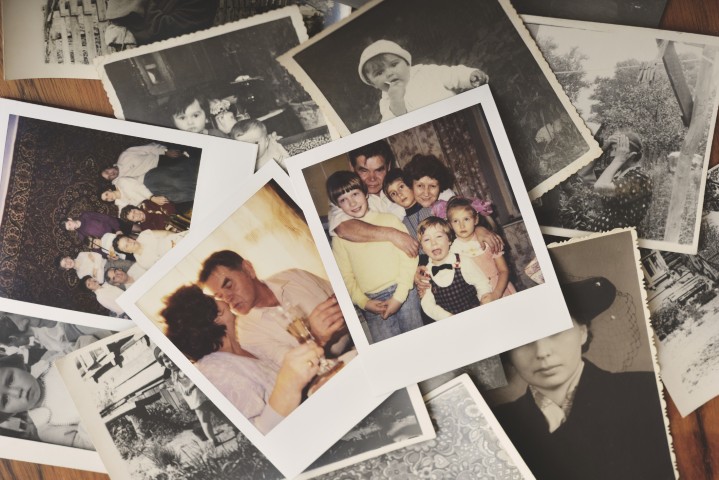
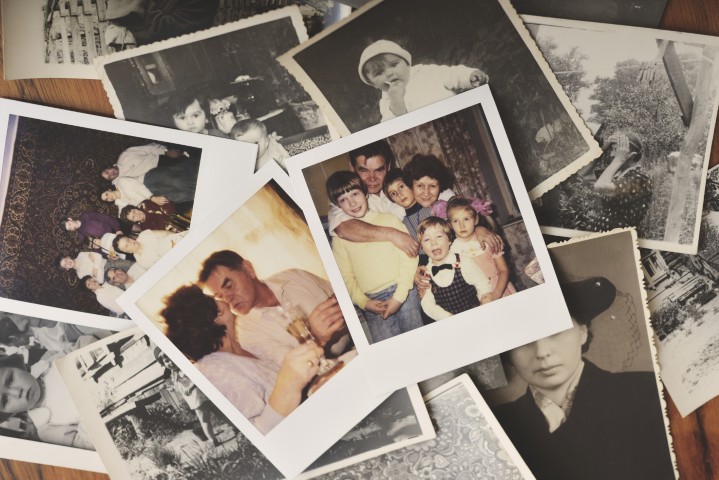
    Some photographs survive the decades by accident, quietly absorbing dust in the bottom drawers of old nightstands or tucked between the pages of forgotten books. Their edges curl, whites turn to sepia, but the people in them are stubbornly alive. Hands on shoulders, laughter in mid-capture, sunlight on hair that’s now silver or gone altogether. The moments look smaller somehow than we remember—yet, returning to them, they carry the full weight of who we have loved and lost and found again.

    Years ago, a friend shared an image of her mother at the county fair in 1963, standing in front of a Ferris wheel, wind in her skirt, popcorn in hand. The setting was nothing grand, just a midway with sawdust underfoot, but the joy on her mother’s face made it unforgettable. What struck me wasn’t just the slice of time, but how the photo had become a stand-in for all the stories my friend still recalled: laughter, worry, pride, resentment, all held in that tiny rectangle. The snapshot only hinted at the actual living that went on around it. The years since have shown me how often old pictures are less about what’s captured than about what’s remembered in their presence.

    Many of us keep boxes or albums within reach—or perhaps, if not our own, then a sibling’s or a friend’s—filled with moments we thought were worth keeping. Sometimes, though, the most poignant images are the unexpected ones, rediscovered without warning. You might be searching for a warranty in the bottom of a file cabinet and instead pull up a faded Polaroid from the summer your cousin visited from out east. In the photo, you’re both younger than your grandchildren are now, skin tanned from days spent outdoors and eyes bright with secrets. Not every detail is clear anymore. Faces blur, colors fade. But certain sensations return: the scent of freshly cut grass, the creak of bicycles on gravel, your cousin’s laugh echoing across the yard just before dinner was called.

    In these moments, the power of photographs isn’t simply in nostalgia. It’s in their quiet challenge—to look beyond what’s changed, to remember the current beneath the surface of things. Photos capture a version of us, but life continues well beyond their borders. Sometimes, we see details we’d missed before: the shoes a sister borrowed, or the mismatched chairs at a birthday table. These tiny recollections fill in the spaces around the image, gradually loosening facts from memory and letting feelings speak instead.

    There are pictures we return to for comfort. Wedding days or quiet afternoons by the lake, candid gatherings in kitchens long since remodeled or sold. Just as often, there are photos that once stung—a lost friendship, a partner now gone, a beloved pet that only lived a short time. Over the years, even those images can soften, the sharp edges worn down by distance and perspective. Grief turns to gratitude, or at least to acceptance, and the pain is carried alongside the warmth.

    For some, old photographs also become a kind of bridge for sharing stories with grandchildren, neighbors, or even the postal worker who asks after the weather. The young are often fascinated: “Who is that with the ridiculous hat?” or “Was that really your car?” These questions draw out memories that would remain otherwise unspoken—stories of first apartments, dances, illnesses weathered as families, triumphs that might not have seemed like much at the time but mattered deeply in hindsight.

    Sometimes, the meaning of a photograph evolves. The image of a family picnic in 1975, for example, may come to represent not just the gathering itself, but the endurance of bonds through years of change. Or a blurry, spur-of-the-moment snapshot of friends at a work lunch reminds you that ordinary days can hold as much importance as formal celebrations. Looking through old pictures rarely prompts regret for the imperfections. Instead, it stirs appreciation for life’s unpredictability and the honest record left behind.

    There’s a particular comfort in knowing that photographs don’t require us to get everything right, in memory or in framing. Life rarely arranges itself for the camera; the truest moments are usually the ones nobody was meaning to capture. And even as images physically age, accumulating the marks of handling or years spent in a humid attic, the stories they prompt continue to grow richer in memory. The photograph is never the whole story, but a starting point.

    Whether shuffled together in a shoebox, neatly labeled in albums, or scanned into new digital archives, these old photographs are witnesses to not just what was, but who we have become since. They wait patiently for us to visit—gently shaking loose laughter, tears, and understanding each time we do.

  • Weathering Change Together: The Seasoned Bonds of Long Relationships

    Weathering Change Together: The Seasoned Bonds of Long Relationships

    The sound of two old chairs creaking in the living room can carry more history than any photograph. After decades spent alongside someone—a partner, a friend, a sibling—there’s a cadence to the pauses, to the laughter, to the little sighs. It’s a familiarity that isn’t always warm and fuzzy, but it’s tenacious. When I think of enduring relationships, I picture my grandparents, quietly companionable as they finished the crossword or argued softly about directions on a family drive. There was space for annoyance, but also for easy forgiveness. They’d weathered so many seasons together, their connection was stitched with ordinary days far more than grand gestures.

    As years pass, time acts on relationships like wind and water on a stone. Early thrills settle into something steadier, sometimes less certain, but often more real. Some years might bring health scares, changed routines, or moves to smaller places. There are new lines etched into faces and new habits for making the coffee in the kitchen. There are losses—some shared, some carried alone. Through it all, long-standing relationships have a way of adapting.

    Some couples—married or not, romantic or not—find that conversation grows quieter but richer. After fifty years together, what’s left unsaid can be as telling as what’s voiced. A simple gesture, like handing over the salt at dinner, carries the memory of thousands of shared meals. Friends of mine joke that their secret to getting along is separate TV remotes and occasional afternoons apart, but when something funny happens, each knows exactly who will appreciate the story.

    Other relationships go through rough patches, sometimes long ones. People change, new circumstances surface. It’s not unusual for older couples or close friends to navigate periods of silence or disagreement. There can be nostalgia for earlier days, but also a hard-won trust that arguments don’t signal the end. The shared foundation—a mishmash of old jokes, disappointments, travel mishaps, and holiday traditions—can help folks find a way back, eventually. And sometimes, resilience means knowing when to give each other breathing room, or even when to let go kindly.

    Shared loss is a common thread for many. Children move out, friends pass away, the neighborhood changes shape. In these moments, old bonds can tighten in unexpected ways. Maybe it’s the quiet support of a spouse who sits beside you in the hospital waiting room, or the friend who remembers the names of people long gone from your photo albums. Grief experienced together shifts the weight, letting each person lean in when their own strength wobbles.

    It’s not all about hardship. The steady companionship found later in life brings its own joys—often subtle, sometimes surprising. There’s the discovery that you can still learn new things about someone you’ve known for decades, or that shared silence on the porch is more companionable than noisy social events. I have neighbors, married over sixty years, who started learning French together by watching old movies they can barely understand. They laugh at their mistakes, delighted in finding a new pastime to share.

    Long-term relationships don’t require endless harmony. They thrive on a cocktail of time, shared memory, tolerance, and mild stubbornness, mixed with the willingness to let go of certain battles. People who know each other best have seen each other at both their best and worst; closeness is built not by avoiding mistakes, but by finding ways to continue forward together, bruises and all.

    In this stage of life, the need for understanding shifts. We step more gently around each other’s failings, perhaps because we realize our own edges aren’t so sharp as they once were. There’s humor to be found in shared forgetfulness and forgiving small annoyances. New interests or old ones revived—gardening, music, cooking—become the backdrops for connection, the way stories and laughter are passed back and forth.

    Sometimes change means making room for new relationships alongside the old. Grandchildren, new neighbors, or late-in-life friendships bring energy and shift dynamics. They don’t replace older bonds, but they add fresh perspective and a reminder that we’re never truly finished growing alongside others. The best long relationships pulse with a quiet confidence that life, even with its heartbreaks and muddled days, is still best when shared.

    It’s not about perfect union or seamless companionship. The strongest bonds are those that bend rather than snap; that hold their shape even as the people within them change. Two creaking chairs in the same room, sunlight shifting across the floor—there is comfort in simply being together, exactly as you are, no matter what the season brings.

  • Snapshots in the Mind: When Old Photographs Come Back to Life

    Snapshots in the Mind: When Old Photographs Come Back to Life

    It’s funny how a photo tucked behind a kitchen clock can sneak up on you. Maybe it slips to the floor during a spring cleaning spree, or you go searching for something entirely different and find it instead. Years ago, I slid a Polaroid of my kids blowing dandelions under that clock, thinking it might be safe there from dust and fading. It disappeared from memory until I found it while making space for a new coffee maker. There they were, smaller than I remembered, cheeks puffed and brows furrowed in concentration. I must have stood there ten minutes, time leaking out along with the memory.

    Photographs can do that—summon a whole atmosphere in an instant. They don’t just remind us of events; they catch the weather of a moment, the tilt of sunlight across a porch, the way someone held their hands. My mother kept a battered biscuit tin full of unsorted prints from the 1950s and 60s. When I was a child, she’d lift the lid and let me fish around, pulling out one after another. Sometimes she had to study a face, squint a bit, and then the name and story would spill out. “That was your Uncle Ray’s birthday. See the fudge on his sleeve?”

    Now there’s a different kind of biscuit tin. One friend keeps her pictures in phone albums, scrolling through digital snapshots during idle minutes at the doctor’s office. She swears it’s almost the same. Maybe she’s right. One tap and her daughter’s wedding reappears, everyone blinking in the sudden August sun. But there is something about paper prints, faded corners and all, that feels more like an artifact than a mere reminder. You have to sit with a photo. Turn it over. Sometimes you find a date, written in blue ink in your own young handwriting. Other times, the back is blank and the scene becomes a kind of gentle puzzle.

    Of course, not every photograph is warm or easy. There are images that catch us off guard, people we’ve lost, relationships that drifted out of focus. I found a photo of myself at thirty, grinning beside someone who is no longer part of my daily life. For a moment there was the ache of change, the old oddness of seeing a version of myself so sure of things that later unraveled. Yet with some distance, these snapshots can also help us see the full shape of things—where we stumbled, what survived.

    Sometimes, sharing these old images starts new conversations. My neighbor Marjorie told me how she sends one photograph every month to her granddaughter, along with a note describing the day. There is no grand lesson, she says, just the hope that her granddaughter will feel the day’s breeze, notice how crooked the curtains hung, or see the family dog lurking under the table. The small background details matter as much as the main subject.

    A friend who worked at the same post office for thirty years likes to pull out a group picture from a long-ago Christmas party. Some of the people she worked with appear only in those faded holiday prints. She says it isn’t just about nostalgia—it’s proof of who we shared ordinary days with, who witnessed our lives in small ways.

    Photographs have a way of pinning down what feels otherwise slippery. Our memories shift and rearrange; a story we repeat often tends to get smoother at the edges, a little more generous with the facts. Yet the images stay put, a stubborn checkpoint we can circle back to, whether to compare, correct, or simply remember. Sometimes, the biggest revelations come from the details we didn’t notice the first time.

    As the pile of photos grows—whether on paper or inside phones—they tend to scatter again. Every so often we gather them up. Lay them out on the table with a cup of tea or a sleepy cat nosing in. We build a soft map of what mattered. Not all answers are found, but familiarity settles in. Even if a face goes unnamed, there’s comfort in the pattern, the way the years blur and sharpen by turns.

    Old photographs rarely offer closure. More often, they open doors, sometimes to sorrow but just as often to laughter, gratitude, or even a rush of energy to call an old friend. They ask to be held and puzzled over, to be woven into today’s stories. Most days, that is enough. A snapshot is less about the day it was taken and more about the life that stretched around it—messy, surprising, stitched with both shadow and light.

  • Quiet Companions: The Evolving Shape of Long-Term Partnership

    Quiet Companions: The Evolving Shape of Long-Term Partnership

    After nearly forty years together, my friends Ellen and Richard still find moments to trip each other up, sometimes with jokes, sometimes with the knowing silence that comes from years of shared glances across crowded rooms. When I visited them last autumn, Ellen greeted me with her familiar laugh and Richard gave one of those warm, slightly distracted hugs that seem to say, “I’ve been thinking about you, but I lost the thread somewhere along the way.” Their conversation—ricocheting from grandkids to grocery lists—was full of a shorthand that only time can write.

    Partnership in later life often looks nothing like the movies. It is quieter, more weathered, sometimes worn at the edges, but remarkably resilient. When people talk about “working on their relationship,” we might picture earnest conversations and big gestures. In truth, much of long-term companionship is found in the everyday: two cups of morning coffee, the evening habit of watching the news together, wordlessly folding socks side by side. Love softens and deepens, less about feverish romance and more about gentle witness to each other’s lives.

    The habits that hold couples together can surprise us. Margaret, a widow in her seventies, remembered feeling irritated when her late husband left crumbs in the butter dish. Only after he was gone did she find comfort in that same memory, traces of daily life turned precious. “You think you’ll tire of the routines,” she said from her kitchen table. “But you miss them when they change. Or disappear.”

    Changing health sometimes reorders the shape of a partnership. When one person’s body becomes less reliable, it asks for new patience. Some find humor in these adjustments. Others admit to bruised pride or frustration, the longing for independence mixed with gratitude for care. There’s a tenderness, too, in handing over the car keys, or learning—sometimes clumsily—how to ask for help after years of managing things oneself. Often, it is the smallest gestures that carry the most significance: a reassuring hand offered on the stairs, patience for stories that take longer to tell.

    For those navigating second marriages or unexpected companionships after loss, there’s the challenge and pleasure of blending histories. Nancy and Jim met through mutual friends, both having raised families with other partners. “We realized quickly we didn’t want to recreate our younger selves,” Nancy explained. “We wanted to build something that fit who we are now, with all the laughter and grief that had shaped us.”

    Sometimes old habits need to be unlearned. Expectations quiet down or shift. Disagreements—over money, politics, or something as mundane as thermostat settings—don’t disappear, but the urgency often softens. Where once a quarrel might end in slammed doors, it’s more likely to fade into making a pot of tea and muttering under your breath, knowing you’ll both be on the same couch later, side by side.

    Friendships can take on new meaning in this season, too, whether with a long-time spouse or a companion found later in life. There’s a particular pleasure in shared memory—the ability to recall the past with someone who was actually there. At the same time, there’s humility in knowing that memory itself is selective, sometimes even contradictory. The retelling of old stories can be as sweet as the events themselves. And when forgetfulness arises, it’s not always something to bemoan together but to reinterpret with a shrug or a smile.

    Solitude may still be part of the mix, as even loving partnerships require space. It isn’t uncommon, in later years, for couples to spend comfortable afternoons in separate rooms, content in the knowledge that someone else is there, should you want to share a thought about the clouds or a bit of neighborhood gossip. That kind of peace—the balance of closeness and independence—feels both hard-won and fragile.

    Long-term companionship, it turns out, owes less to grand statements and more to the steady pulse of shared days. It’s found in the odd comfort of quarrels that nobody remembers by bedtime, in laughter that still bubbles up when recalling the follies of youth, in enduring affection that may no longer be spoken out loud but is present all the same. The shape of a relationship isn’t fixed. It curves, sways, and sometimes drifts before settling again—a quiet companion itself, changing as we do, growing softer and truer with the years.

  • Carrying the Mail: Unexpected Lessons from a Neighborhood Route

    Carrying the Mail: Unexpected Lessons from a Neighborhood Route

    On certain mornings, when the sunlight catches on dew-soaked lawns and the day sits on the edge of quiet, I remember the years I spent delivering mail door-to-door. It wasn’t a glamorous job, or one that drew much attention, but it shaped the way I came to understand community and the subtle exchanges that pass between neighbors, far more than I could have guessed when I first pulled on the canvas bag.

    Some neighborhoods greet the mail carrier with a nod, others with a weather report or the passing comment about a new paint color down the block. The years I spent on my route, I came to know who kept tidy flower beds and who let nature have her way. I noticed which porches bore new pairs of tiny shoes overnight, and, heartbreakingly, when a beloved dog’s bark faded away for good. People didn’t often invite you into their living rooms, but you saw pieces of their lives—holiday cards proudly displayed, flags lowered, the first crocuses nudging through slush. The routines stitched us together in ways I only appreciated more as time went on.

    Sometimes, Mrs. Petersen would be waiting at her open mailbox, clutching her worn sweater against the wind. She’d ask after my family, or slip me a small bag of second-rate apples from her tree. “These won’t win any ribbons, but they do well baked,” she’d say, tucking a recipe for brown betty between the envelopes. A few houses down, Tom would grunt a hello, staring across the street with the careful vigilance that comes from growing up in a big family and not trusting the mailman with anything. I learned to nod back, to let trust build slowly, quietly, without pressing.

    Now and then, when someone was away, the mail would build up. I started to notice which neighbors would discreetly gather a bundle for safekeeping, or who would call to check in after several days of silence. The route became a patchwork quilt, different personalities hemmed together by the simple act of living side by side. Delivering letters, I realized, meant carrying news of happiness and worry in equal measure. Engagement announcements, overdue notices, cards edged in black. Behind every mailbox was a story; some mundane, some monumental.

    There were, of course, the oddities—a garden gnome with sunglasses that changed outfits with the seasons, a child’s toy fire engine perched on cement steps week after week, rain or shine. I grew to appreciate the peculiar fingerprints left by every household. The routine taught me to look, to listen, and, perhaps most of all, to absorb the value of persistence in small gestures. There’s comfort in knowing that while great changes roar through life, most days begin with a stack of envelopes, the slow shuffle down a walk, the unremarkable but irreplaceable tick-tock of ordinary kindness.

    Over the years, I stopped being surprised by how profound a brief hallway conversation or a hand-delivered package could feel. These moments, stitched into the fabric of daily routine, offered a kind of steady reassurance. No grand declarations, no dramatic revelations—just a simple presence. Being part of so many lives in such quiet ways connected me more deeply to my own.

    I’ve long since handed over my route. Younger folks have taken it up, new faces behind the post bag. But I still catch myself noticing details on my own street—porches in need of sweeping, a child’s tricycle toppled, holiday lights curling loose from a shingle. Every so often, someone waves from a doorway or asks after the weather. The world spins forward, technologies advance, but the need for gentle, attentive connection remains unchanged. Maybe we all carry a bit of the mail, passing pieces of recognition and care along the sidewalks and through fences, one delivery at a time.

    Reflecting on those years, I don’t remember every name, but I remember the feeling—one I notice now in small, familiar exchanges with new neighbors. The lessons lasted much longer than the daily walk. I learned, quietly, to pay attention, to offer respect, to let trust arrive in its own time. In these ways, a simple route shaped the rhythm of my days, and maybe, in some way, those of others as well.

  • Familiar Faces, Changing Seasons: The Shifts and Surprises of Long Relationships

    Familiar Faces, Changing Seasons: The Shifts and Surprises of Long Relationships

    A few times a year, my old friend Marge telephones from Minnesota. We talk for at least an hour, sometimes two, and the conversation folds back upon itself, moving from the faded corners of our shared childhood to the fresher colors of our present days. There’s comfort in these talks—a rhythm borne not just of years but of errors, laughter, silences that no longer need filling. Even when life doesn’t look like what we planned, something sturdy remains between us.

    Many who’ve shared decades with a partner, friend, or sibling know this sense of ongoing, subtle change. Habits bend, priorities twist. Shoulders once broad now seem more rounded. One’s memory for a first date or family trip sharpens while smaller details blur. If two people care for each other over time, there will be patches when closeness is almost automatic, and other stretches when patience feels in short supply.

    The early days of a relationship have a springlike energy. There’s a lightness, a curiosity about each other that feels endless. Over the years, the pace often slows; conversation shifts from the grand to the granular. Familiarity arrives—in some cases, like an old dog that settles at your feet, sometimes persistent, sometimes heavy. Shared kitchens become battlegrounds over peanut butter on the wrong shelf. But just as often, they serve as safe ground, a place to land when the rest of the world feels too much.

    With time comes a more complicated script, especially if health falters or if worries about money or family nudge their way into the room. Some couples and friends find that the roles they played in the past no longer fit quite so well. The person who used to make all the plans may step back, learning to let another take the lead. Or a pair who always traveled together might discover contentment in a day spent gardening side by side. Adjusting to these new shapes can feel strange, but there’s dignity in recognizing that love often asks us to shift in place.

    The deepest relationships, forged not only by choice but by survival and forgiveness, are rarely tidy. There may be years lost to pride or grief, times when bridges are carefully rebuilt and others when they’re left smokey and scorched. Reconnecting, if it happens, tends to be quieter, a matter of showing up with fewer explanations and more acceptance. Sometimes a simple cup of tea shared in a room full of old grievances is worth more than any grand apology.

    It’s easy to imagine that with age, relationships become set in stone. In truth, they grow softer, more forgiving of imperfection. In my own circle, I’ve watched marriages recover from sharp disagreements, and friendships bend but not break under the weight of illnesses or changed priorities. There’s comfort in knowing the people who have witnessed your best and worst have stayed through the long quiet intervals. Many couples laugh now at things that once would have caused sulks or slammed doors. The energy of youth gives way to a sort of knowing companionship, the peace that comes from having weathered a few too many storms together.

    There are also surprises. Sometimes a casual friend steps in when old confidants can’t. Sometimes estrangement softens and a letter arrives out of the blue. I once watched my neighbor, widowed for nearly a decade, begin attending community dinners. Over time, she found herself laughing with folks she’d barely nodded to in past years. Her friendships weren’t substitutions for the love she’d lost, but they were real and sustaining, taking on a tender importance for the next season of her life.

    No two relationships are the same, and there is no single recipe for keeping them thriving as the years go by. Some find comfort in steady routines—shared breakfasts, evening walks, watching the news side by side. Others cherish surprise, the occasional adventure, or quiet days spent separately but with the assurance of home to return to. There will always be days when friction wins out over grace, when words meant to soothe arrive with sharp corners. The beauty lies in returning, again and again, to what is still good between us.

    Most lasting bonds ultimately depend less on flawless communication or matching interests and more on a willingness to accept the rough with the smooth, the missed signals and small mercies. The nature of relationships is to change, just as we do, folding new experiences into old conversations, letting go of past grievances a little at a time. Where there is room for laughter, for forgiveness, for the simple act of staying present, connections endure. In that way, even as the seasons of our relationships shift, the familiar faces around us become a kind of harvest—reliable, imperfect, and deeply treasured.

  • Passing the Torch: The Tales We Share Across Generations

    Passing the Torch: The Tales We Share Across Generations

    It starts in the simplest moments: a rainy afternoon, stories rising along with the scent of coffee and old raincoats. Someone pulls out an old photograph, and memories start to breathe. Stories spill out—about losing mittens in snowbanks, about a wobbly first bicycle, about an aunt who could make a green bean taste like Sunday dinner. Sometimes, there’s one listener, sometimes a crowd, but the words create a kind of invisible thread between everyone in the room.

    There’s a quiet satisfaction in being the storyteller. It’s not just nostalgia, though there’s plenty of that, tucked like bookmarks in familiar chapters. After a certain age, the urge to hand something down—an insight, a memory, a warning or two—becomes less about posterity, more about connection. We want to be known by the people coming after us, and we want to know them in turn.

    The funny thing about family stories is how much they change on each retelling. A fishing trip with your father becomes grander in the telling or softer around the edges with each passing year. Sometimes the facts wander a bit—uncles get braver, the storm grows wilder. And yet, the truth at the heart of it holds steady. Young children hearing these stories for the first time may giggle or roll their eyes, but years later, they’ll tell the tale themselves while stirring a pot or driving through the same old neighborhood, feeling the weight and warmth of continuity.

    I remember my own mother recounting tales of her childhood in black-and-white Wisconsin winters—skating on frozen ponds with brothers and sisters she missed every day as an adult. Her telling was never sentimental. She’d pause to laugh at her own stubbornness or admit the trouble she and her siblings got into. We absorbed far more than facts: the values tucked in her stories, the way she saw hardship and love as two sides of the same coin. It didn’t feel like a lesson at the time, but decades later, I leaned on those stories during my own moments of uncertainty.

    Not all stories are easy to share. There are times when silence feels safer, especially with memories that still sting. Yet, even the quieter stories—the moments of regret, the arguments and reconciliations—have a way of revealing what matters most. When families gather now, I sometimes notice a gentle honesty emerging, a willingness to laugh at old mistakes and admit faults. Younger faces lean in, absorbing the humanity in these admissions. It’s a small act of trust, handing over the fragile pieces as well as the shiny ones.

    Of course, it isn’t only family tales that matter. Friendships, work adventures, brushes with both luck and loss are all part of the mosaic. Old neighbors become characters, favorite teachers return in our minds with a word or lesson remembered. Even casual acquaintances turn into storybook figures years later. And when those stories are told, something unspoken passes along—a sense of shared place or time, the particular flavor of an era.

    With the world speeding up the way it does, sometimes it feels as though face-to-face storytelling is going out of style. There is more focus now on typed messages and quick calls, but the need for storytelling remains. I’ve watched grandchildren, bright and restless, pause and settle when a tale begins. Maybe the distractions soften when they sense someone opening up a memory just for them.

    Some details fall away with time. That’s natural. What remains is the feeling—the echo of courage, or laughter, or simply being held together at a kitchen table. And perhaps the highest compliment is when someone younger takes up your words and folds them into their own stories. I hear bits of my mother and father in the way my children remember our own summertime mishaps. Maybe none of us ever truly own these stories; we are just the keepers for a little while before passing them on.

    So, on those gray afternoons when conversation feels easy and the past is close enough to touch, I find myself grateful for the habit of storytelling. It isn’t merely about preserving family history or finding meaning where there once was only confusion. It’s about reaching across the invisible gaps that separate generations, building a bridge that spans both laughter and loss. And sometimes, if we are lucky, the stories we tell—imperfect, unpolished, and entirely our own—are enough to hold everyone a little closer, at least for a while.