






Hungarian filmmaker crafted dreamlike narratives in films like Werckmeister Harmonies, and The Turin Horse
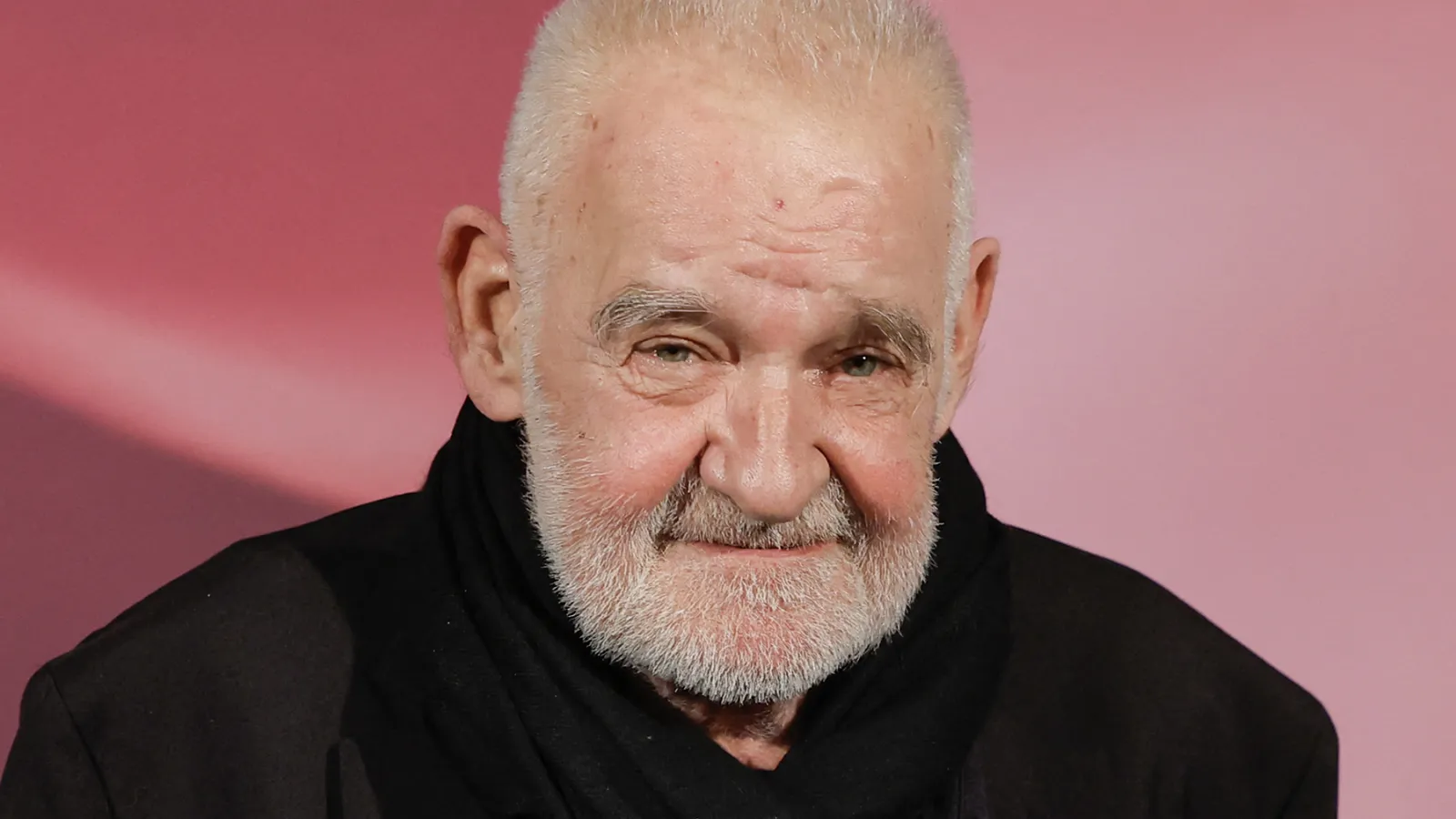
Béla Tarr, a giant of world cinema whose absorbing, challenging films helped define the minimalist arthouse style named slow cinema, died on Monday. He was 70.
The European Film Academy confirmed Tarr’s death. A cause of death was not available, but the academy noted that Tarr had gone through “a long and serious illness.”
In movies like Sátántangó, Werckmeister Harmonies and his extraordinary swan song, 2011’s The Turin Horse, the Hungarian filmmaker crafted dreamlike narratives populated with disillusioned, spiritually bereft characters facing down harsh realities. Incorporating gorgeous long takes and occasionally extended running times — his magnum opus Sátántangó ran more than seven hours — Tarr depicted the human condition as one of intense suffering, but also one filled with bleak beauty. Adventurous cinephiles came to worship his enveloping dramas, and directors like Jim Jarmusch and Gus Van Sant were heavily influenced by his stripped-down style and under-appreciated deadpan comedic style.
“I read once that Chekhov said that he only wrote comedies and he didn’t understand why people were playing his pieces in the theatre as a kind of drama,” Tarr told The Guardian last year. “My opinion is that we were doing comedies. You can laugh a lot.”
This story is developing