Author: Rafi Syafrinaldi

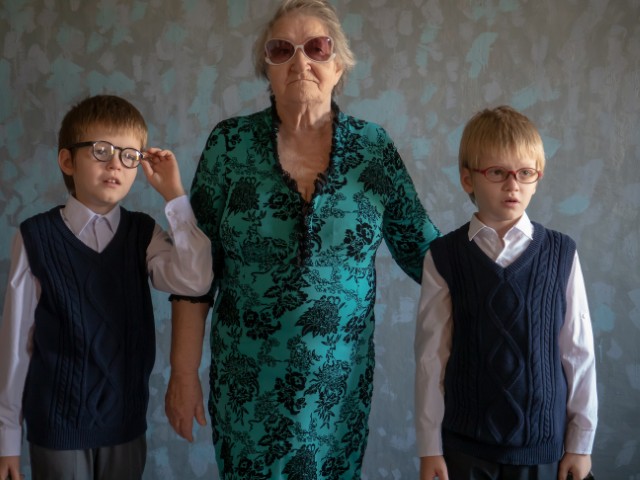
  • New Medicare Coverage for Hearing Aids Expands Options for People 65 and Older

    New Medicare Coverage for Hearing Aids Expands Options for People 65 and Older

    Starting in January 2024, Medicare will begin covering hearing aids for people aged 65 and older, a development that could change daily life for millions. This policy shift comes after decades of advocates urging the government to address the high cost of hearing devices.

    The Centers for Medicare & Medicaid Services (CMS) announced that traditional Medicare (Part B) insurance plans will now include a portion of the costs for hearing aids obtained through approved providers. Senior advocates and audiology experts agree this represents a significant step toward improving access to hearing healthcare.

    Hearing loss affects roughly one in three adults between the ages of 65 and 74, according to the National Institute on Deafness and Other Communication Disorders. For many, untreated hearing loss can lead to social isolation, depression, and cognitive decline. Affordable hearing aids are an essential part of maintaining health and independence.

    Until recently, Medicare excluded hearing aids and related exams, meaning older adults often had to pay out of pocket for devices that can range from several hundred to several thousand dollars per ear. This cost has deterred many from getting timely treatment, even when doctors recommend it.

    The new coverage will not pay the full price of hearing aids, but it is designed to reduce the financial burden. Medicare will cover 50 percent of the cost for devices obtained from designated suppliers who meet federal quality and price standards. This rule aims to encourage competition and lower prices.

    Experts caution that while the change is welcome, some challenges remain. The program excludes coverage for over-the-counter hearing aids, which grew popular after a 2022 federal law allowed more affordable, direct-to-consumer purchases. These devices may appeal to those with mild hearing loss or who prefer simpler solutions.

    Audiologists note that professional fitting, follow-up care, and adjustments are crucial for many users to get the most benefit. Medicare’s new approach requires providers to offer these services as part of the hearing aid package, which could improve outcomes compared to self-fitted devices.

    In terms of financial impact, expanding Medicare coverage may ease pressure on personal savings and family budgets. Hearing aids worn regularly help people stay connected with friends and family, potentially reducing the risk of accidents or emergency medical visits related to communication breakdowns.

    Community programs focusing on hearing health may also see a positive effect. More widespread coverage could encourage older adults to seek evaluations and treatment, supporting greater social engagement and mental wellbeing.

    Still, some advocates worry about remaining gaps. Medicare Advantage plans, which cover about 40 percent of beneficiaries, have varied policies on hearing aid benefits. The new rule applies specifically to traditional Medicare coverage, leaving some uncertainty for those in Medicare-managed care plans.

    Insurance experts predict that clarity will come as the CMS provides more details and as providers adjust to the new requirements. Until then, older adults considering hearing aids should consult their healthcare providers and insurance representatives to understand their options.

    This change marks a long-awaited recognition of hearing healthcare as a vital part of aging well. While it will not solve every obstacle, the new Medicare coverage reflects a broader shift toward addressing the needs of an aging population with more accessible, affordable healthcare tools.


  • Carrying the Mail: Unexpected Lessons from a Neighborhood Route

    Carrying the Mail: Unexpected Lessons from a Neighborhood Route

    On certain mornings, when the sunlight catches on dew-soaked lawns and the day sits on the edge of quiet, I remember the years I spent delivering mail door-to-door. It wasn’t a glamorous job, or one that drew much attention, but it shaped the way I came to understand community and the subtle exchanges that pass between neighbors, far more than I could have guessed when I first pulled on the canvas bag.

    Some neighborhoods greet the mail carrier with a nod, others with a weather report or the passing comment about a new paint color down the block. The years I spent on my route, I came to know who kept tidy flower beds and who let nature have her way. I noticed which porches bore new pairs of tiny shoes overnight, and, heartbreakingly, when a beloved dog’s bark faded away for good. People didn’t often invite you into their living rooms, but you saw pieces of their lives—holiday cards proudly displayed, flags lowered, the first crocuses nudging through slush. The routines stitched us together in ways I only appreciated more as time went on.

    Sometimes, Mrs. Petersen would be waiting at her open mailbox, clutching her worn sweater against the wind. She’d ask after my family, or slip me a small bag of second-rate apples from her tree. “These won’t win any ribbons, but they do well baked,” she’d say, tucking a recipe for brown betty between the envelopes. A few houses down, Tom would grunt a hello, staring across the street with the careful vigilance that comes from growing up in a big family and not trusting the mailman with anything. I learned to nod back, to let trust build slowly, quietly, without pressing.

    Now and then, when someone was away, the mail would build up. I started to notice which neighbors would discreetly gather a bundle for safekeeping, or who would call to check in after several days of silence. The route became a patchwork quilt, different personalities hemmed together by the simple act of living side by side. Delivering letters, I realized, meant carrying news of happiness and worry in equal measure. Engagement announcements, overdue notices, cards edged in black. Behind every mailbox was a story; some mundane, some monumental.

    There were, of course, the oddities—a garden gnome with sunglasses that changed outfits with the seasons, a child’s toy fire engine perched on cement steps week after week, rain or shine. I grew to appreciate the peculiar fingerprints left by every household. The routine taught me to look, to listen, and, perhaps most of all, to absorb the value of persistence in small gestures. There’s comfort in knowing that while great changes roar through life, most days begin with a stack of envelopes, the slow shuffle down a walk, the unremarkable but irreplaceable tick-tock of ordinary kindness.

    Over the years, I stopped being surprised by how profound a brief hallway conversation or a hand-delivered package could feel. These moments, stitched into the fabric of daily routine, offered a kind of steady reassurance. No grand declarations, no dramatic revelations—just a simple presence. Being part of so many lives in such quiet ways connected me more deeply to my own.

    I’ve long since handed over my route. Younger folks have taken it up, new faces behind the post bag. But I still catch myself noticing details on my own street—porches in need of sweeping, a child’s tricycle toppled, holiday lights curling loose from a shingle. Every so often, someone waves from a doorway or asks after the weather. The world spins forward, technologies advance, but the need for gentle, attentive connection remains unchanged. Maybe we all carry a bit of the mail, passing pieces of recognition and care along the sidewalks and through fences, one delivery at a time.

    Reflecting on those years, I don’t remember every name, but I remember the feeling—one I notice now in small, familiar exchanges with new neighbors. The lessons lasted much longer than the daily walk. I learned, quietly, to pay attention, to offer respect, to let trust arrive in its own time. In these ways, a simple route shaped the rhythm of my days, and maybe, in some way, those of others as well.

  • Familiar Faces, Changing Seasons: The Shifts and Surprises of Long Relationships

    Familiar Faces, Changing Seasons: The Shifts and Surprises of Long Relationships

    A few times a year, my old friend Marge telephones from Minnesota. We talk for at least an hour, sometimes two, and the conversation folds back upon itself, moving from the faded corners of our shared childhood to the fresher colors of our present days. There’s comfort in these talks—a rhythm borne not just of years but of errors, laughter, silences that no longer need filling. Even when life doesn’t look like what we planned, something sturdy remains between us.

    Many who’ve shared decades with a partner, friend, or sibling know this sense of ongoing, subtle change. Habits bend, priorities twist. Shoulders once broad now seem more rounded. One’s memory for a first date or family trip sharpens while smaller details blur. If two people care for each other over time, there will be patches when closeness is almost automatic, and other stretches when patience feels in short supply.

    The early days of a relationship have a springlike energy. There’s a lightness, a curiosity about each other that feels endless. Over the years, the pace often slows; conversation shifts from the grand to the granular. Familiarity arrives—in some cases, like an old dog that settles at your feet, sometimes persistent, sometimes heavy. Shared kitchens become battlegrounds over peanut butter on the wrong shelf. But just as often, they serve as safe ground, a place to land when the rest of the world feels too much.

    With time comes a more complicated script, especially if health falters or if worries about money or family nudge their way into the room. Some couples and friends find that the roles they played in the past no longer fit quite so well. The person who used to make all the plans may step back, learning to let another take the lead. Or a pair who always traveled together might discover contentment in a day spent gardening side by side. Adjusting to these new shapes can feel strange, but there’s dignity in recognizing that love often asks us to shift in place.

    The deepest relationships, forged not only by choice but by survival and forgiveness, are rarely tidy. There may be years lost to pride or grief, times when bridges are carefully rebuilt and others when they’re left smokey and scorched. Reconnecting, if it happens, tends to be quieter, a matter of showing up with fewer explanations and more acceptance. Sometimes a simple cup of tea shared in a room full of old grievances is worth more than any grand apology.

    It’s easy to imagine that with age, relationships become set in stone. In truth, they grow softer, more forgiving of imperfection. In my own circle, I’ve watched marriages recover from sharp disagreements, and friendships bend but not break under the weight of illnesses or changed priorities. There’s comfort in knowing the people who have witnessed your best and worst have stayed through the long quiet intervals. Many couples laugh now at things that once would have caused sulks or slammed doors. The energy of youth gives way to a sort of knowing companionship, the peace that comes from having weathered a few too many storms together.

    There are also surprises. Sometimes a casual friend steps in when old confidants can’t. Sometimes estrangement softens and a letter arrives out of the blue. I once watched my neighbor, widowed for nearly a decade, begin attending community dinners. Over time, she found herself laughing with folks she’d barely nodded to in past years. Her friendships weren’t substitutions for the love she’d lost, but they were real and sustaining, taking on a tender importance for the next season of her life.

    No two relationships are the same, and there is no single recipe for keeping them thriving as the years go by. Some find comfort in steady routines—shared breakfasts, evening walks, watching the news side by side. Others cherish surprise, the occasional adventure, or quiet days spent separately but with the assurance of home to return to. There will always be days when friction wins out over grace, when words meant to soothe arrive with sharp corners. The beauty lies in returning, again and again, to what is still good between us.

    Most lasting bonds ultimately depend less on flawless communication or matching interests and more on a willingness to accept the rough with the smooth, the missed signals and small mercies. The nature of relationships is to change, just as we do, folding new experiences into old conversations, letting go of past grievances a little at a time. Where there is room for laughter, for forgiveness, for the simple act of staying present, connections endure. In that way, even as the seasons of our relationships shift, the familiar faces around us become a kind of harvest—reliable, imperfect, and deeply treasured.

  • Interest in Craft Hobbies is Growing Among Older Americans

    Interest in Craft Hobbies is Growing Among Older Americans

    Participation in craft hobbies such as knitting, woodworking, and painting has seen a notable increase among adults aged 60 and older over the past five years, according to a new survey published by the National Endowment for the Arts. The study, conducted in late 2023, found that roughly 37 percent of individuals in this age group engage regularly in one or more craft activities, up from about 28 percent in 2018.

    This trend reflects broader shifts in how older adults are spending their leisure time, combining creativity with social connection and well-being. Craft hobbies offer more than just a way to fill time; researchers and health professionals highlight their role in maintaining fine motor skills, reducing stress, and combating isolation.

    Dr. Helen Vargas, a gerontologist at the University of Michigan, points out that craft activities often encourage mindfulness and a sense of accomplishment. “Engaging with a tactile project can stimulate the brain in unique ways,” she says. “For many older adults, creating something tangible contributes to emotional resilience and cognitive health.”

    Financial considerations also play a role in the rising appeal of crafts. Unlike some recreational activities that require memberships or expensive equipment, many craft hobbies remain affordable and accessible. Materials for knitting or painting, for example, can be sourced at reasonable costs, making them attractive for people living on fixed incomes.

    Community centers, libraries, and senior living facilities have adapted to this changing interest. Many now offer workshops and groups for various crafts, providing opportunities for social engagement. Local knitting circles and woodworking clubs report increased attendance, fostering connections that extend beyond the hobby itself.

    Technology has influenced this resurgence as well. Platforms like YouTube and specialized forums allow older adults to learn new techniques at their own pace and share their projects with others. This access extends the reach of craft hobbies and encourages a culture of continuous learning.

    The health benefits of crafts align closely with recommendations from the Centers for Disease Control and Prevention, which emphasize staying mentally and physically active as components of healthy aging. Activities involving hand-eye coordination and problem-solving may aid in delaying the progression of age-related cognitive decline.

    Some participants view their hobbies as a bridge to other generations, passing skills down to grandchildren or friends. This intergenerational aspect strengthens family ties and enriches personal narratives.

    Not everyone approaches these hobbies the same way, and interest may vary by region, socioeconomic status, and prior experience. However, the overall rise suggests a meaningful shift in how older adults seek fulfillment and connection through creative pursuits.

    The growing popularity of craft hobbies among people aged 60 and above reflects a broader desire for purposeful, engaging activities that support health and community. As these practices continue to evolve, they may remain a valuable part of many lives for years to come.

  • Passing the Torch: The Tales We Share Across Generations

    Passing the Torch: The Tales We Share Across Generations

    It starts in the simplest moments: a rainy afternoon, stories rising along with the scent of coffee and old raincoats. Someone pulls out an old photograph, and memories start to breathe. Stories spill out—about losing mittens in snowbanks, about a wobbly first bicycle, about an aunt who could make a green bean taste like Sunday dinner. Sometimes, there’s one listener, sometimes a crowd, but the words create a kind of invisible thread between everyone in the room.

    There’s a quiet satisfaction in being the storyteller. It’s not just nostalgia, though there’s plenty of that, tucked like bookmarks in familiar chapters. After a certain age, the urge to hand something down—an insight, a memory, a warning or two—becomes less about posterity, more about connection. We want to be known by the people coming after us, and we want to know them in turn.

    The funny thing about family stories is how much they change on each retelling. A fishing trip with your father becomes grander in the telling or softer around the edges with each passing year. Sometimes the facts wander a bit—uncles get braver, the storm grows wilder. And yet, the truth at the heart of it holds steady. Young children hearing these stories for the first time may giggle or roll their eyes, but years later, they’ll tell the tale themselves while stirring a pot or driving through the same old neighborhood, feeling the weight and warmth of continuity.

    I remember my own mother recounting tales of her childhood in black-and-white Wisconsin winters—skating on frozen ponds with brothers and sisters she missed every day as an adult. Her telling was never sentimental. She’d pause to laugh at her own stubbornness or admit the trouble she and her siblings got into. We absorbed far more than facts: the values tucked in her stories, the way she saw hardship and love as two sides of the same coin. It didn’t feel like a lesson at the time, but decades later, I leaned on those stories during my own moments of uncertainty.

    Not all stories are easy to share. There are times when silence feels safer, especially with memories that still sting. Yet, even the quieter stories—the moments of regret, the arguments and reconciliations—have a way of revealing what matters most. When families gather now, I sometimes notice a gentle honesty emerging, a willingness to laugh at old mistakes and admit faults. Younger faces lean in, absorbing the humanity in these admissions. It’s a small act of trust, handing over the fragile pieces as well as the shiny ones.

    Of course, it isn’t only family tales that matter. Friendships, work adventures, brushes with both luck and loss are all part of the mosaic. Old neighbors become characters, favorite teachers return in our minds with a word or lesson remembered. Even casual acquaintances turn into storybook figures years later. And when those stories are told, something unspoken passes along—a sense of shared place or time, the particular flavor of an era.

    With the world speeding up the way it does, sometimes it feels as though face-to-face storytelling is going out of style. There is more focus now on typed messages and quick calls, but the need for storytelling remains. I’ve watched grandchildren, bright and restless, pause and settle when a tale begins. Maybe the distractions soften when they sense someone opening up a memory just for them.

    Some details fall away with time. That’s natural. What remains is the feeling—the echo of courage, or laughter, or simply being held together at a kitchen table. And perhaps the highest compliment is when someone younger takes up your words and folds them into their own stories. I hear bits of my mother and father in the way my children remember our own summertime mishaps. Maybe none of us ever truly own these stories; we are just the keepers for a little while before passing them on.

    So, on those gray afternoons when conversation feels easy and the past is close enough to touch, I find myself grateful for the habit of storytelling. It isn’t merely about preserving family history or finding meaning where there once was only confusion. It’s about reaching across the invisible gaps that separate generations, building a bridge that spans both laughter and loss. And sometimes, if we are lucky, the stories we tell—imperfect, unpolished, and entirely our own—are enough to hold everyone a little closer, at least for a while.

  • Rising Grocery Prices Reshape Food Choices for Older Adults

    Rising Grocery Prices Reshape Food Choices for Older Adults

    Grocery prices across the country have risen notably over the past year, affecting shopping habits for many Americans aged 65 and older. Data released this month by the U.S. Bureau of Labor Statistics shows food-at-home expenses increased by nearly 10 percent compared to last year, a significant jump that has implications for household budgets and meal planning.

    Older adults often have fixed or limited incomes, which makes changes in food costs especially impactful. For those managing chronic conditions such as diabetes or heart disease, access to nutritious and affordable food is key to maintaining health. Rising prices on fresh produce, lean proteins, and whole grains can force difficult choices between diet quality and other essential expenses.

    Experts from the National Council on Aging emphasize that many older Americans are cutting back on food variety or portion sizes in response. “We’re seeing more older adults opt for processed or shelf-stable items because they cost less and last longer,” said Maria Jennings, a nutritionist specializing in aging populations. “Unfortunately, this can lead to nutritional gaps that affect overall well-being.”

    Housing and healthcare costs have also contributed to tighter budgets. Older households may prioritize medication and housing over higher-priced fresh foods. For instance, eggs, milk, and certain fruits have seen price increases above the average. Meat and seafood prices continue to fluctuate due to supply chain disruptions and rising transportation costs.

    Community programs such as food banks and senior meal services are adapting as well. Some have expanded their offerings or secured additional funding to help meet the increased demand for affordable nutrition. Yet, availability and access vary widely by region.

    Social isolation remains a concern, especially when older adults minimize shopping trips or rely on others for assistance. This can limit their ability to select foods according to individual needs and preferences. Nutritionists recommend planning meals ahead, taking advantage of discounts for seniors where available, and consulting with healthcare providers about dietary adjustments.

    The rise in grocery prices highlights ongoing challenges for people aged 65 and older who seek to maintain independence while managing health and finances. How these trends evolve will depend on factors such as inflation, supply chains, and policy decisions aimed at food security.

    For now, many are finding ways to stretch their food dollars, balancing cost with nutrition, and leaning on community resources when necessary. The situation underscores the broader importance of affordable, accessible food as a pillar of healthy aging and quality of life.

  • Porch Lights and Passing Seasons: The Stories We Tell Without Words

    Porch Lights and Passing Seasons: The Stories We Tell Without Words

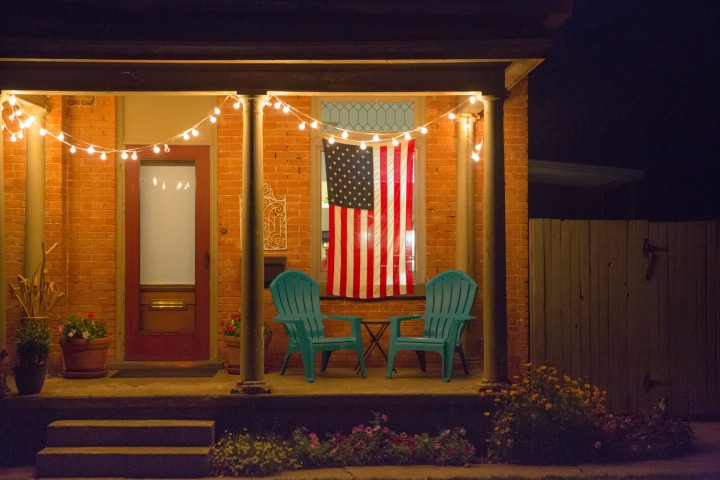
    Most summer evenings, my neighbor Dorothy flicks on the porch light just as the sun hits the tops of the old maples. It’s a quiet signal, almost ceremonial, and I’ve come to notice how that small ritual seems to mark the day’s end not just for her, but for this entire block. We don’t talk about it, yet everyone knows. On the rare nights the light stays dark, we wonder if she’s away, or just turned in early, and there’s a small, gentle gap in the usual rhythm of the street.

    That’s the thing about where we live: long-shared places shape their own wordless language. A neighbor’s door propped open means there’s pie (or heartbreak) inside. A garden left unweeded hints at a busy stretch or a hard month. It’s possible to know volumes about each other, even when all we exchange is a wave across the fence. Over time, these quietly observed signals become their own kind of story—a story of patience, interwoven lives, habits built with care over years, not days.

    When you’re younger, stories often arrive with some loud event—a big trip, a bold decision, a new start. But past a certain point, I’ve found, the more resonant stories slip in sideways, woven from the everyday. I think of the time my brother borrowed Dad’s battered truck after his divorce, and how, years later, a younger cousin used the same truck to move out for college. No grand retelling at holiday dinners, just the truck showing up in family driveways now and then, quietly hauling one chapter into the next. Even the scratches on its bumper have stories, if you know where to look.

    We tell a surprising amount by what we choose not to say. I remember a friend’s mother, who always put on her Sunday hat even on the difficult days when she felt low. No one commented, but each week, her hat was as much a sign of hope as any spoken prayer could be. It’s the kind of communication only visible to those who’ve known you long enough. A weary sigh, a stack of cookbooks left out, an old photo facedown—over the years, these habits become another kind of conversation.

    Not all stories are kindly ones, of course. There are days when the porch light comes on earlier than usual, and it’s because night gathered a little sooner in someone’s heart. But even then, the ritual holds. People notice, sliding into a slower pace, maybe checking in the next morning under the pretense of borrowed sugar.

    Owning these quiet narratives feels different from the tidy stories you might share at a family gathering. There’s a humility in how they’re built. Sometimes, the most enduring stories are the ones barely told at all, quietly stitched into the fabric of seasons passing and habits kept. Growing older reveals just how much can accumulate in a single place, and in the people who stay close by, without much fuss or declaration. It’s a comfort to know that even if memory falters or stories lose their sharp edge, the everyday language of lights flicking on at dusk or a careful row of tulips means that the story holds steady, as real as any tale told aloud.

    There’s much to learn from these passing seasons, and from the way a block of neighbors or a family line can write an unspoken history together. The porch light will keep switching on, as it always does—part notice, part reassurance, and entirely alive to anyone who cares to watch. This, too, is storytelling: a kind of gentle continuity, etching meaning across the quiet span of an ordinary evening.

  • Weathering the Changes Together: How Long Relationships Grow and Shift Over Time

    Weathering the Changes Together: How Long Relationships Grow and Shift Over Time

    Near the end of her eighties, Marjorie often caught herself standing beside the kitchen window, watching the way sunlight moved across the old maple in her backyard. Some mornings, Ed would join her. For over sixty years, they’d made coffee and small talk, sometimes comfortably silent, sometimes sharing stories they’d both heard before. The rhythm of those years had changed; the kids gone, careers finished, daily companionship finding new meaning each season. Ed’s hearing was worse now, and Marjorie’s knees ached, but their partnership still felt familiar, if quieter.

    Relationships, especially those that have lasted decades, have a shape and life of their own. They gather years and grow rings like trees—some years thick and full, others marked by weather and change. It’s an odd comfort to discover how even the closest of bonds evolve in subtle, sometimes surprising, ways.

    Early years together can feel like an invention—two people making a world together out of hope and accidents. There are rituals that form almost by accident: the way one cuts carrots, the particular creak of a hallway floorboard, the story that’s always told at gatherings. These details accumulate quietly, until suddenly, a life is built. Along the way, there are the loud markers: weddings, new homes, sometimes heartbreaks that settle in and change the temperature of a household for a time. But in the long run, it’s often the smaller acts—a hand resting on a shoulder during a difficult day, laughter at a private joke—that sustain the connection.

    As time passes, plans shift. Children become adults and move away, careers wind down, and daily rhythms change. Some couples find themselves negotiating new roles—learning how to live together again without the distractions of busyness. Even relationships between long-time friends or siblings can require navigation at this stage. There can be an awkwardness to figuring out what it means to share long stretches of time, but many discover new ways to be together. Maybe it means separate hobbies in adjoining rooms, or it looks like long, meandering conversations about nothing in particular.

    There are also the hard patches—the illnesses and losses, the ways in which partners or friends become mirrors for our own aging. It can be jarring when someone you’ve always leaned on needs your support, or when the balance of care shifts bit by bit. For some, offering help comes naturally. For others, it takes effort and patience to adapt, to recognize that needing help doesn’t mean giving up independence or dignity.

    New understanding can emerge during these changes. Moments of vulnerability—admitting a fear, asking for patience—sometimes build a deeper sense of trust. On certain afternoons, memories have a way of surfacing, bringing laughter alongside bittersweet recognition of time passing. Many find that forgiveness becomes a gentle companion; old grievances seem less important as milestones fall into the background and the value of continuing together grows more precious.

    Of course, there are relationships that don’t last a lifetime—friendships that drift, marriages that end. Yet even in these instances, the imprint remains. After all, to share years with another is to share pieces of yourself. Many people, after a long marriage or deep connection ends, carry both gratitude and regret in equal measure. For some, new partnerships and friendships do blossom later in life, often less driven by urgency and more by shared interest and the comfort of understanding.

    In communities where isolation can sneak in, small gestures—a shared afternoon at the park, a cup of coffee after a doctor’s appointment—take on added meaning. Sometimes, relationships deepen just from showing up, gently, again and again, without expectations or grand declarations.

    Looking back, many who have weathered decades alongside someone else describe their bond not as a fixed story, but as an ongoing practice. It’s rarely without imperfection. But perhaps endurance, in relationships, is less about getting it right each day and more about allowing room for growth, understanding, and even change. A long marriage, a substantial friendship, or a lifelong sibling bond—these things gain shape through the ordinary days, threaded together by patience as much as by passion.

    There’s a quiet dignity in loving someone long enough to see the seasons shift again and again. As Marjorie watched the sunlight edge higher on the maple, she knew there would come a morning when she stood at the window alone, or perhaps Ed would be the one sipping coffee in silence. For now, though, they stood together, weathered and changed, as much themselves as ever, and—perhaps because of all these years—still learning new ways to care.

  • Classic Movie Theaters Adapt to Stay Relevant Amid Changing Audiences

    Several well-known movie theaters across the United States have begun updating their programming and facilities to attract a wider range of patrons, including people aged 65 and older. This month, venues in Boston, San Francisco, and Chicago announced expanded showings of classic films and added matinée discounts tailored to older adults.

    The changes come as the traditional cinema experience faces ongoing challenges from streaming services and evolving entertainment habits. Older audiences, once among the most loyal moviegoers, have seen fewer offerings targeting their preferences. These theaters aim to provide a comfortable setting with familiar films, better seating options, and special events like post-screening talks or live music.

    For many people aged 65 and older, going to the movies remains a valued social outing. Viewing conditions that support better vision and hearing are essential, and some theaters now offer enhanced audio systems and improved lighting to ease orientation in dark auditoriums. These adjustments help seniors maintain independence by allowing them to enjoy outings without discomfort.

    Financial considerations also factor into these initiatives. Several cinemas have introduced reduced admission prices for matinees on weekdays, recognizing that many retired patrons have limited entertainment budgets. The availability of more affordable access encourages older adults to venture out more frequently, contributing to stronger community ties.

    Cinema historians note that classic film screenings create a shared cultural experience that resonates with older viewers. Films from the 1940s through the 1970s evoke personal memories and foster intergenerational discussions when shared with family or younger friends. The American Film Institute highlights that enduring stories from these decades provide a window into societal changes and artistic achievement.

    Not all older adults welcome the shift, however. Some express frustration with crowds and noise at modern multiplexes, while others find alternative formats like at-home viewing more comfortable. Still, theater operators are conducting surveys and focus groups to better understand what older audiences want, striving for a balance between nostalgia and modern convenience.

    The move to diversify programming also benefits the theaters themselves. Audience numbers have declined since the 1980s, and adapting to serve older patrons offers a way to stabilize revenue. For communities, revitalizing beloved neighborhood theaters preserves cultural landmarks and creates accessible social spaces.

    Looking forward, experts suggest that collaboration between theaters and local senior centers might foster more tailored outreach. Dedicated screenings with live introductions or social receptions could encourage repeat attendance and combat loneliness among some older adults.

    The evolution of movie theaters reflects broader changes in leisure and social life as populations age. While streaming remains popular, there remains a place for public film showings that emphasize comfort, affordability, and community. The choices made by cinema operators in the coming years will shape how older generations continue to engage with one of the most enduring forms of storytelling.

  • Public Libraries Are Expanding Services to Support Older Adults’ Changing Needs

    Municipal libraries across the United States are steadily enhancing their programs and resources aimed at adults aged 65 and older. This shift reflects a growing recognition of the role libraries play in lifelong learning, social connection, and access to technology for older community members.

    In cities ranging from Minneapolis to Charleston, libraries have introduced targeted classes on digital literacy, health information sessions, and small group discussions geared toward older patrons. These efforts respond to evolving community demographics and the challenges some older adults face in maintaining social ties or keeping up with new technology.

    Libraries have long been places for discovery and gathering, but increasingly they serve as hubs for health education, legal aid, and digital training. For example, some local branches now offer one-on-one help with smartphones and tablets, which can be essential for staying connected with family or managing medical appointments online.

    Such services matter for those navigating changes that accompany aging. Access to trustworthy health information and assistance with technology can influence independence and quality of life. As medical care and social services become more reliant on online platforms, the digital gap can widen without support.

    Financial concerns also arise when older adults spend on devices, internet service, or subscriptions to access digital content. Public libraries address this by providing free Wi-Fi and often lending tablets or e-readers. This helps ease costs and ensures equitable access to information and entertainment.

    Social isolation remains a pressing issue for many older adults. Library programs not only teach skills but also create regular meeting places. Book clubs, storytelling hours, and art workshops offer friendly environments where connections can take root.

    While these expansions have been welcomed, some experts emphasize the need for consistent funding and staff training. Budgets are tight in many areas, and the complexity of support services demands knowledgeable personnel who understand age-related challenges.

    To older adults, these changes can represent more than convenience. They may provide vital links to community resources and help sustain independence amid shifting circumstances. Public libraries, adapting to these needs, continue to serve as cornerstone institutions where culture, education, and social well-being intersect.

    As America’s population grows older, the evolution of library services offers a clear example of how public spaces respond to demographic realities. It remains to be seen how these programs will expand and adapt further, but their presence underscores the enduring value of accessible, inclusive community centers.