Author: Rafi Syafrinaldi

  • Classic Film Festivals Return With New Offerings and Familiar Favorites

    Classic Film Festivals Return With New Offerings and Familiar Favorites

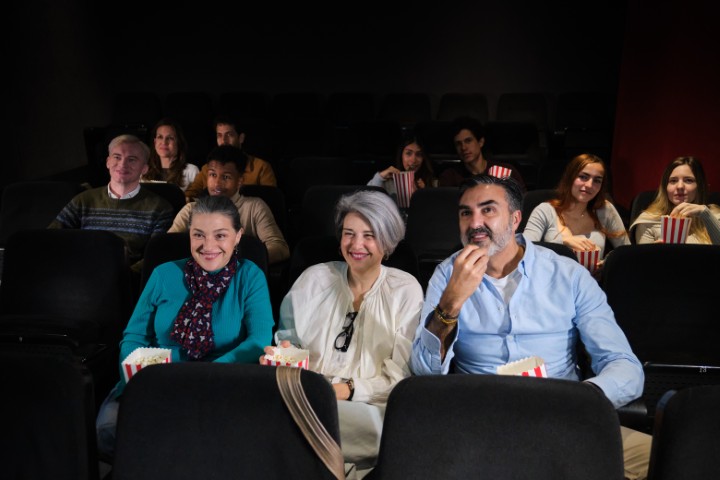
    Several cities across the country are welcoming back classic film festivals this spring, bringing a selection of beloved movies from decades past to theaters large and small. These festivals, which often focus on cinema from the 1940s through the 1980s, have long been a draw for audiences who treasure the artistry and storytelling of earlier film eras. This year’s events began in March and will continue through May, providing multiple opportunities to enjoy films that may not often screen in local venues.

    For people aged 65 and older, classic film festivals offer more than mere entertainment. They provide a chance to reconnect with cultural touchstones from their youth and share those experiences with family and friends. Attending such events can foster social interaction and mental engagement, both of which are linked to improved well-being in later life, according to studies from organizations such as the National Institute on Aging.

    Among the lineups are titles by directors like Alfred Hitchcock, Billy Wilder, and Sidney Lumet, alongside restored prints of musicals and comedies that defined earlier generations. The restoration work, often funded by nonprofit groups and film archives, means that these screenings present the movies in sharper color and sound quality than might have been available even a decade ago.

    Several festivals have incorporated panel discussions and Q&A sessions with film historians and critics. These dialogues explore the cultural and historical significance of the films, offering depth that appeals to viewers with long memories and an interest in cinematic craft. The added context helps bridge understanding between generations, making the events inclusive for relatives and younger attendees.

    Costs for admission remain moderate, with many venues offering discounted rates for people aged 65 and older. For those who may find travel difficult, some festivals are partnering with local libraries or community centers to screen selections on smaller scales closer to home. This expansion recognizes the importance of accessibility, especially for individuals managing mobility concerns.

    Financially, attending a classic film festival can be an affordable diversion compared to other forms of entertainment. Older adults often balance fixed incomes, making these curated retrospectives a welcome option. Beyond ticket prices, these festivals frequently take place in comfortable theaters with reserved seating, enhancing the overall experience.

    Health considerations during these events have also been addressed at many venues. Seating arrangements and venue layouts have been updated to accommodate walkers and wheelchairs. Air filtration and sanitation practices continue to be monitored, ensuring a safe environment as attendance gradually returns to pre-pandemic levels.

    Looking ahead, organizers are planning to expand programming to include international classics and spotlight marginalized filmmakers from previous decades. These efforts reflect a growing interest in diversifying the film canon and recognizing a broader array of voices and stories.

    Classic film festivals remain a steady and enriching presence in cultural calendars. For older adults, they serve as more than nostalgia: opportunities for community connection, mental stimulation, and affordable enjoyment. With thoughtful planning and attention to attendees’ needs, these events are well positioned to continue bridging past and present on the silver screen.


  • Threaded Together: How Changing Roles Shape Long Relationships

    Threaded Together: How Changing Roles Shape Long Relationships

    A few nights ago, I found myself up late smoothing the corners of a patchwork quilt that’s lived on our guest bed for decades. The stitches are uneven and the fabrics don’t always match, remnants from shirts, dresses, and cloth napkins. My late mother started it. I finished it, eventually, though she never saw the last squares go in. Looking at the quilt, I counted at least three different sets of hands: hers, mine, and my granddaughter’s, who added a small square right in the middle—a tiny, garish owl, oddly cheerful among all the faded plaids. It dawned on me how a lifetime of relationship is much like that quilt, changed by the hands that tend it, altered at the seams each time life shifts direction.

    Long relationships—marriages, friendships, family bonds—inevitably reshape over the years. The early days might have a certain warmth: morning routines with a partner, lively weekends with children, neighbors gathering around picnic tables. Gradually, habits settle in, roles get comfortable. Sometimes, almost without anyone noticing, those roles begin to shift.

    For my friend Irene, who has been married nearly forty years, it was retirement that drew a new line through daily life. Her husband, once an early riser, began sleeping in. She, in turn, started enjoying the quiet of long breakfasts alone. Their mornings had run side-by-side for most of their marriage. Now, they found new value in a little solitude—then found each other again for lunch, stories waiting.

    These adjustments can arrive quietly: the subtle tilt of power after a partner’s illness, a son stepping up when his mother slows down, neighbors trading snow shoveling duties as someone recovers from surgery. Perhaps the biggest surprise is realizing that a relationship can survive, even thrive, precisely because it flexes to match real life. Irene told me that learning to leave each other space—while still making time for their shared interests—carved out a calm confidence in their home, different from the busy closeness of younger years.

    Of course, not all changes come with a sense of ease. Sometimes, the shift feels more like a loss. The death of a spouse or close friend, or a divorce later in life, can throw a person off balance. I met a man in his seventies who, after his wife passed, confessed that he barely recognized his own routines. “She did the bills. I did the garden. Now I’m planting flowers and searching for checkbooks in the same afternoon.” Slowly, he learned to see the day as his own again, filling it with a new rhythm. Oddly, learning those new tasks softened his grief—a reminder that even sadness changes shape with time and effort.

    It’s also true that new chapters can add unexpected dimensions. My cousin Rita, widowed for nearly a decade, has built what she jokingly calls her “accidental family” from a circle of neighbors. They check on each other’s homes, drive to appointments, and host impromptu soup nights in someone’s kitchen. The relationships function more cooperatively than any single household, each neighbor stepping in when another needs help. “It’s not what I grew up imagining, but it’s what works now,” Rita says. “And it doesn’t mean what came before mattered less.”

    So much depends on the willingness to re-examine habits, to ask gently for what’s needed now, and to learn how to listen in a changed context. A daughter who once sought guidance might become the voice of reassurance as her parent ages. Spouses might slip into routines of shared care, whether nursing each other through the flu or picking new hobbies as time allows. Sometimes, old patterns hang around, a little frayed but still comfortable; at other times, there’s a sense of making something new from familiar materials.

    There’s a certain grace in accepting that every connection is a living thing, marked by circumstance and shaped by the time people have together. The patchwork of a long relationship holds both the old, well-worn bonds and the newly-sewn pieces—sometimes sturdy, sometimes brightly incongruous.

    Just like that quilt on my guest bed, these relationships gather meaning over time, made strong by the patches, repairs, and the simple decision to keep mending as long as there are hands willing to try.

  • Public Libraries Expand Digital Lending to Meet Changing Needs of Older Readers

    Public Libraries Expand Digital Lending to Meet Changing Needs of Older Readers

    Public libraries across the United States are expanding their digital lending collections, responding to growing demand from people aged 65 and older who seek convenient access to books. This development reflects changing reading habits and new opportunities for older adults to engage with literature and information from home.

    In many regions, libraries initially focused on physical media: printed books, large-print editions, and audio CDs. Although these remain essential, the surge in digital borrowing has prompted library systems to invest more heavily in e-books and downloadable audiobooks. National figures, such as those reported by the Pew Research Center, show that about 27 percent of adults 65 and older borrowed digital content from libraries in the past year, a number rising steadily over the last few years.

    Experts attribute this trend to several factors. Improved technology, including tablets and smartphones tailored to older users, make digital borrowing more accessible. The Covid-19 pandemic accelerated this shift as many individuals preferred to avoid crowded spaces or experienced limited access to physical branches.

    For older adults, digital materials offer more than convenience. Adjustable text size, voice narration, and instant availability can make reading easier for those with vision limitations or mobility challenges. As Dr. Elaine Carter, a gerontologist specializing in cognitive health, points out, “Regular reading supports mental acuity and emotional well-being. Digital libraries help remove barriers that might prevent older adults from maintaining those routines.”

    Still, disparities persist. Some library districts, particularly in rural or underfunded areas, have limited digital offerings. Connectivity issues also hamper access. The Institute of Museum and Library Services underscores that reliable broadband remains a critical hurdle for many older Americans. Community efforts to improve internet infrastructure and offer tech assistance complement library expansions.

    Access to digital collections can influence daily life beyond entertainment. Many older patrons use library resources for health information, financial guidance, and lifelong learning. Public libraries act as community anchors, providing content that supports independent living and informed decision-making.

    The shift signals a broader transformation in how information is distributed and consumed by older generations. Traditional print is not disappearing, but digital platforms are becoming a critical part of how people aged 65 and older stay connected with literature and knowledge.

    Library systems plan further growth in digital lending, adapting to evolving formats and user needs. Balancing tradition with innovation will remain essential. The challenge lies in ensuring equitable access and preserving the community role that public libraries have long played.

    For now, older adults with the right tools and internet connections can find an increasing range of offerings at their fingertips. The expansion of digital lending is an important step toward inclusivity and adaptability in the face of demographic shifts and technological change.

  • Understanding Medicare Changes Set for This Year

    Understanding Medicare Changes Set for This Year

    The Centers for Medicare & Medicaid Services (CMS) announced several updates to Medicare coverage and costs starting this year. These changes will affect millions of Americans aged 65 and older, making it essential to review benefits and plan accordingly.

    Among the most significant adjustments is the slight increase in the standard Part B premium, which covers outpatient care and doctor visits. For 2024, the monthly premium rose to $174.70, up from $170.10 in 2023. While this increase may seem modest, it adds to the financial considerations for those on fixed incomes.

    Additionally, the annual deductible for Part B has gone up to $226. This deductible is the amount beneficiaries pay out of pocket before Medicare begins to share costs. Higher deductibles mean that initial healthcare expenses could be steeper early in the year.

    Coverage for preventive services continues to expand, albeit slowly. The CMS has included new recommendations for lung cancer screening and cardiovascular disease prevention, reflecting the ongoing shift toward early detection. These updates might offer more options for older adults aiming to manage their health proactively.

    Medicare Part D, which helps with prescription drug costs, has also seen notable changes. The out-of-pocket threshold that triggers catastrophic coverage rose to $8,450, up from $7,820. This means beneficiaries may spend more before reaching the limit at which Medicare substantially reduces drug costs. Changes in drug formularies and pricing can complicate choices, especially for those with complex medication regimens.

    Experts recommend reviewing Medicare Advantage plans and Part D options during the open enrollment period. These plans often differ in coverage and cost-sharing rules, and what worked well last year may not be the best choice as benefits and premiums shift.

    For many older adults, these updates affect more than medical appointments and pharmaceutical expenses. They influence monthly budgets, financial planning, and sometimes even decisions about supplemental coverage through Medigap policies.

    Financial advisers stress the importance of factoring in these changes when preparing for the year ahead. Some seniors may find it necessary to adjust discretionary spending or explore additional support programs, including state assistance or low-income subsidies for prescription drugs.

    Health care providers also note that understanding coverage adjustments helps reduce unexpected bills and allows for better communication about treatment options. Being informed can ease the burden of navigating the increasingly complex health care system.

    While these annual adjustments to Medicare are routine, they underscore an ongoing challenge for older adults balancing health needs and finances. Monitoring official updates and periodically reassessing coverage helps ensure that benefits align with individual circumstances.

    As changes settle throughout the year, it remains important to stay aware of how evolving policies affect daily life. Knowledge of Medicare updates equips those aged 65 and older to make informed decisions during appointments, prescription refills, and financial planning.

    The landscape of Medicare is not static. Adjustments like those introduced this year reflect shifts in government budgets, health care costs, and public health priorities. The coming months will show how these updates play out in real-life experiences for those who depend on Medicare coverage.

  • Weathered Photos, Unfaded Stories: The Meaning We Find in Old Pictures

    Weathered Photos, Unfaded Stories: The Meaning We Find in Old Pictures

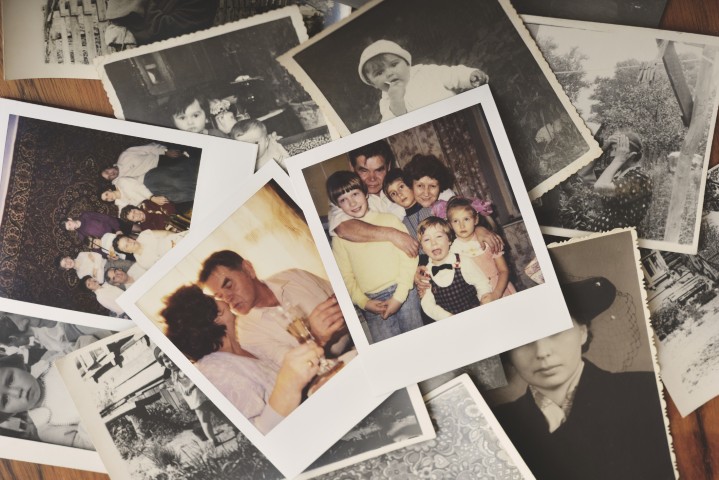
    Some photographs survive the decades by accident, quietly absorbing dust in the bottom drawers of old nightstands or tucked between the pages of forgotten books. Their edges curl, whites turn to sepia, but the people in them are stubbornly alive. Hands on shoulders, laughter in mid-capture, sunlight on hair that’s now silver or gone altogether. The moments look smaller somehow than we remember—yet, returning to them, they carry the full weight of who we have loved and lost and found again.

    Years ago, a friend shared an image of her mother at the county fair in 1963, standing in front of a Ferris wheel, wind in her skirt, popcorn in hand. The setting was nothing grand, just a midway with sawdust underfoot, but the joy on her mother’s face made it unforgettable. What struck me wasn’t just the slice of time, but how the photo had become a stand-in for all the stories my friend still recalled: laughter, worry, pride, resentment, all held in that tiny rectangle. The snapshot only hinted at the actual living that went on around it. The years since have shown me how often old pictures are less about what’s captured than about what’s remembered in their presence.

    Many of us keep boxes or albums within reach—or perhaps, if not our own, then a sibling’s or a friend’s—filled with moments we thought were worth keeping. Sometimes, though, the most poignant images are the unexpected ones, rediscovered without warning. You might be searching for a warranty in the bottom of a file cabinet and instead pull up a faded Polaroid from the summer your cousin visited from out east. In the photo, you’re both younger than your grandchildren are now, skin tanned from days spent outdoors and eyes bright with secrets. Not every detail is clear anymore. Faces blur, colors fade. But certain sensations return: the scent of freshly cut grass, the creak of bicycles on gravel, your cousin’s laugh echoing across the yard just before dinner was called.

    In these moments, the power of photographs isn’t simply in nostalgia. It’s in their quiet challenge—to look beyond what’s changed, to remember the current beneath the surface of things. Photos capture a version of us, but life continues well beyond their borders. Sometimes, we see details we’d missed before: the shoes a sister borrowed, or the mismatched chairs at a birthday table. These tiny recollections fill in the spaces around the image, gradually loosening facts from memory and letting feelings speak instead.

    There are pictures we return to for comfort. Wedding days or quiet afternoons by the lake, candid gatherings in kitchens long since remodeled or sold. Just as often, there are photos that once stung—a lost friendship, a partner now gone, a beloved pet that only lived a short time. Over the years, even those images can soften, the sharp edges worn down by distance and perspective. Grief turns to gratitude, or at least to acceptance, and the pain is carried alongside the warmth.

    For some, old photographs also become a kind of bridge for sharing stories with grandchildren, neighbors, or even the postal worker who asks after the weather. The young are often fascinated: “Who is that with the ridiculous hat?” or “Was that really your car?” These questions draw out memories that would remain otherwise unspoken—stories of first apartments, dances, illnesses weathered as families, triumphs that might not have seemed like much at the time but mattered deeply in hindsight.

    Sometimes, the meaning of a photograph evolves. The image of a family picnic in 1975, for example, may come to represent not just the gathering itself, but the endurance of bonds through years of change. Or a blurry, spur-of-the-moment snapshot of friends at a work lunch reminds you that ordinary days can hold as much importance as formal celebrations. Looking through old pictures rarely prompts regret for the imperfections. Instead, it stirs appreciation for life’s unpredictability and the honest record left behind.

    There’s a particular comfort in knowing that photographs don’t require us to get everything right, in memory or in framing. Life rarely arranges itself for the camera; the truest moments are usually the ones nobody was meaning to capture. And even as images physically age, accumulating the marks of handling or years spent in a humid attic, the stories they prompt continue to grow richer in memory. The photograph is never the whole story, but a starting point.

    Whether shuffled together in a shoebox, neatly labeled in albums, or scanned into new digital archives, these old photographs are witnesses to not just what was, but who we have become since. They wait patiently for us to visit—gently shaking loose laughter, tears, and understanding each time we do.

  • Weathering Change Together: The Seasoned Bonds of Long Relationships

    Weathering Change Together: The Seasoned Bonds of Long Relationships

    The sound of two old chairs creaking in the living room can carry more history than any photograph. After decades spent alongside someone—a partner, a friend, a sibling—there’s a cadence to the pauses, to the laughter, to the little sighs. It’s a familiarity that isn’t always warm and fuzzy, but it’s tenacious. When I think of enduring relationships, I picture my grandparents, quietly companionable as they finished the crossword or argued softly about directions on a family drive. There was space for annoyance, but also for easy forgiveness. They’d weathered so many seasons together, their connection was stitched with ordinary days far more than grand gestures.

    As years pass, time acts on relationships like wind and water on a stone. Early thrills settle into something steadier, sometimes less certain, but often more real. Some years might bring health scares, changed routines, or moves to smaller places. There are new lines etched into faces and new habits for making the coffee in the kitchen. There are losses—some shared, some carried alone. Through it all, long-standing relationships have a way of adapting.

    Some couples—married or not, romantic or not—find that conversation grows quieter but richer. After fifty years together, what’s left unsaid can be as telling as what’s voiced. A simple gesture, like handing over the salt at dinner, carries the memory of thousands of shared meals. Friends of mine joke that their secret to getting along is separate TV remotes and occasional afternoons apart, but when something funny happens, each knows exactly who will appreciate the story.

    Other relationships go through rough patches, sometimes long ones. People change, new circumstances surface. It’s not unusual for older couples or close friends to navigate periods of silence or disagreement. There can be nostalgia for earlier days, but also a hard-won trust that arguments don’t signal the end. The shared foundation—a mishmash of old jokes, disappointments, travel mishaps, and holiday traditions—can help folks find a way back, eventually. And sometimes, resilience means knowing when to give each other breathing room, or even when to let go kindly.

    Shared loss is a common thread for many. Children move out, friends pass away, the neighborhood changes shape. In these moments, old bonds can tighten in unexpected ways. Maybe it’s the quiet support of a spouse who sits beside you in the hospital waiting room, or the friend who remembers the names of people long gone from your photo albums. Grief experienced together shifts the weight, letting each person lean in when their own strength wobbles.

    It’s not all about hardship. The steady companionship found later in life brings its own joys—often subtle, sometimes surprising. There’s the discovery that you can still learn new things about someone you’ve known for decades, or that shared silence on the porch is more companionable than noisy social events. I have neighbors, married over sixty years, who started learning French together by watching old movies they can barely understand. They laugh at their mistakes, delighted in finding a new pastime to share.

    Long-term relationships don’t require endless harmony. They thrive on a cocktail of time, shared memory, tolerance, and mild stubbornness, mixed with the willingness to let go of certain battles. People who know each other best have seen each other at both their best and worst; closeness is built not by avoiding mistakes, but by finding ways to continue forward together, bruises and all.

    In this stage of life, the need for understanding shifts. We step more gently around each other’s failings, perhaps because we realize our own edges aren’t so sharp as they once were. There’s humor to be found in shared forgetfulness and forgiving small annoyances. New interests or old ones revived—gardening, music, cooking—become the backdrops for connection, the way stories and laughter are passed back and forth.

    Sometimes change means making room for new relationships alongside the old. Grandchildren, new neighbors, or late-in-life friendships bring energy and shift dynamics. They don’t replace older bonds, but they add fresh perspective and a reminder that we’re never truly finished growing alongside others. The best long relationships pulse with a quiet confidence that life, even with its heartbreaks and muddled days, is still best when shared.

    It’s not about perfect union or seamless companionship. The strongest bonds are those that bend rather than snap; that hold their shape even as the people within them change. Two creaking chairs in the same room, sunlight shifting across the floor—there is comfort in simply being together, exactly as you are, no matter what the season brings.

  • Changes in Airline Policies to Adversely Affect Older Travelers

    Changes in Airline Policies to Adversely Affect Older Travelers

    Several major U.S. airlines announced new changes to their policies last week, impacting seat assignments, baggage fees, and boarding procedures starting this October. These adjustments come as carriers respond to fluctuating travel demand and rising operational costs. For people aged 60 and older, who often travel with specific needs, these updates merit close attention.

    Among the most notable changes is the rearrangement of seat assignment rules. Airlines like American and Delta are eliminating free advance seat selections for many economy tickets, requiring customers to pay extra if they want to choose a preferred seat before travel. For older adults with limited mobility or those who prefer aisle or bulkhead seats for comfort, this could introduce additional planning and expense.

    Baggage fees, already a point of debate, will also become more variable. Some carriers will increase fees for a first checked bag on certain domestic routes. Although many older travelers are experienced with packing light, others who rely on mobility aids or medications may require checked baggage. This shift could affect budgets and the convenience of carrying essential items.

    Boarding procedures will see an adjustment as well. Airlines are reducing priority boarding zones in favor of a more streamlined process aimed at decreasing delays. Passengers with disabilities and those needing extra assistance will continue to receive priority, according to airline spokespeople. However, older travelers who have grown accustomed to early boarding for seating ease or settling in might find the new approach less accommodating.

    These policy changes follow a two-year period of upheaval in air travel prompted by the pandemic. Many older adults had reduced travel during those years and are now returning to the skies. The new policies arrive at a time when passenger volumes are rising, but staffing and resources remain stretched. Customer service representatives have reported increased challenges in accommodating special requests under the revised rules.

    Transportation experts say that older travelers should plan more carefully when booking flights. Reserving seats early, reviewing luggage requirements closely, and arriving at the airport with extra time might be necessary steps to avoid stress. Organizations focused on accessibility note that communicating directly with airlines about specific needs remains critical.

    Financially, these incremental costs could add up, especially for retirees on fixed incomes. A modest seat selection fee combined with baggage costs can make a round-trip flight notably more expensive. For those who choose to avoid flying altogether, other travel modes might gain appeal, though they come with their own considerations.

    Community groups and travel advocacy organizations continue to monitor how policy changes affect different age groups. They emphasize that while safety and efficiency improvements are valid goals, ensuring equitable access for people aged 60 and older remains essential.

    Looking ahead, airlines may revisit some of these policies as feedback accumulates and market conditions evolve. Meanwhile, older travelers will navigate a shifting landscape that requires a bit more foresight and flexibility. The fundamental desire to visit family, explore new places, or attend important events remains unchanged, even as the path to get there adapts.

  • Advances in Smart Home Devices Aim to Boost Independence for Older Adults

    Advances in Smart Home Devices Aim to Boost Independence for Older Adults

    Smart home technology, once seen as a luxury for tech enthusiasts, has quietly matured into a practical tool for many people aged 65 and older. Recent updates from major technology companies, announced in the last week, underscore efforts to make these devices more accessible and responsive to the unique needs of older adults.

    At the Consumer Electronics Show held earlier this month in Las Vegas, several manufacturers revealed enhanced features for smart home systems designed to improve safety, convenience, and health monitoring. These include more intuitive voice recognition, fall detection sensors integrated into smart speakers, and better integration with medical alert systems.

    For individuals living alone, particularly in suburban or rural areas, these technologies can offer an important layer of reassurance. Devices that control lighting, temperature, and locks with simple voice commands reduce the need for moving around frequently. Meanwhile, sensors that detect unusual movements or inactivity can alert family members or caregivers if help is needed.

    Experts stress that while these developments do not replace human care, they do contribute to maintaining independence within one’s own home. “Technology should complement personal assistance, not substitute it,” said Dr. Elaine Rodgers, a gerontologist at the University of Michigan. She points out that smart devices can give older adults more control over daily routines and reduce anxiety about emergencies.

    The financial aspect remains a consideration. While prices for basic smart devices have decreased over recent years, advanced systems with health monitoring capabilities often require ongoing subscription fees. Companies have started offering tiered pricing models and partnerships with insurance providers to make these tools more affordable for the growing older population.

    Privacy concerns also persist. Some users worry about data security when devices collect sensitive information, such as medication schedules or patterns of movement within the home. Consumer advocacy groups recommend careful reading of privacy policies and opting for products with transparent data practices.

    In parallel, training and support resources are expanding. Libraries, community centers, and non-profit organizations have begun hosting workshops to help older adults set up and use smart home technology. These efforts aim to bridge the gap for those who may find newer technology challenging or intimidating.

    Looking ahead, the integration of artificial intelligence with smart home devices promises further personalization. This could mean systems that anticipate needs based on daily behavior or health changes, offering reminders or even adjusting the environment automatically for comfort and safety.

    Such advancements underscore a shift in how technology serves older adults: moving from novelty to necessity, from complexity to simplicity. With careful attention to accessibility and privacy, smart home technology has the potential to support a more independent, connected, and secure lifestyle for people well into their later years.

  • Snapshots in the Mind: When Old Photographs Come Back to Life

    Snapshots in the Mind: When Old Photographs Come Back to Life

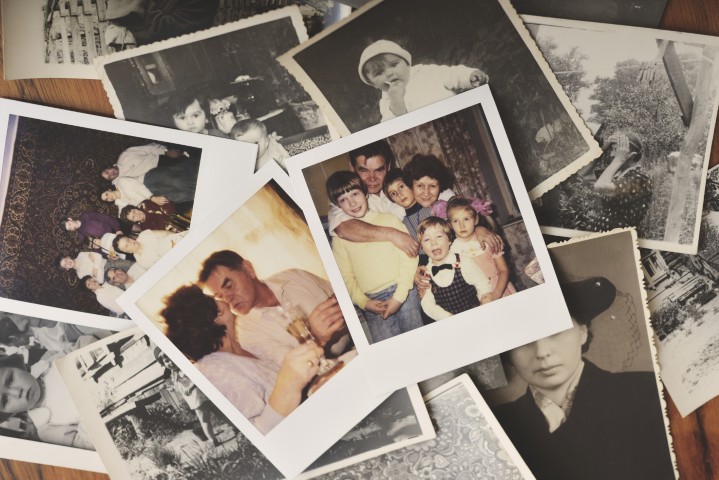
    It’s funny how a photo tucked behind a kitchen clock can sneak up on you. Maybe it slips to the floor during a spring cleaning spree, or you go searching for something entirely different and find it instead. Years ago, I slid a Polaroid of my kids blowing dandelions under that clock, thinking it might be safe there from dust and fading. It disappeared from memory until I found it while making space for a new coffee maker. There they were, smaller than I remembered, cheeks puffed and brows furrowed in concentration. I must have stood there ten minutes, time leaking out along with the memory.

    Photographs can do that—summon a whole atmosphere in an instant. They don’t just remind us of events; they catch the weather of a moment, the tilt of sunlight across a porch, the way someone held their hands. My mother kept a battered biscuit tin full of unsorted prints from the 1950s and 60s. When I was a child, she’d lift the lid and let me fish around, pulling out one after another. Sometimes she had to study a face, squint a bit, and then the name and story would spill out. “That was your Uncle Ray’s birthday. See the fudge on his sleeve?”

    Now there’s a different kind of biscuit tin. One friend keeps her pictures in phone albums, scrolling through digital snapshots during idle minutes at the doctor’s office. She swears it’s almost the same. Maybe she’s right. One tap and her daughter’s wedding reappears, everyone blinking in the sudden August sun. But there is something about paper prints, faded corners and all, that feels more like an artifact than a mere reminder. You have to sit with a photo. Turn it over. Sometimes you find a date, written in blue ink in your own young handwriting. Other times, the back is blank and the scene becomes a kind of gentle puzzle.

    Of course, not every photograph is warm or easy. There are images that catch us off guard, people we’ve lost, relationships that drifted out of focus. I found a photo of myself at thirty, grinning beside someone who is no longer part of my daily life. For a moment there was the ache of change, the old oddness of seeing a version of myself so sure of things that later unraveled. Yet with some distance, these snapshots can also help us see the full shape of things—where we stumbled, what survived.

    Sometimes, sharing these old images starts new conversations. My neighbor Marjorie told me how she sends one photograph every month to her granddaughter, along with a note describing the day. There is no grand lesson, she says, just the hope that her granddaughter will feel the day’s breeze, notice how crooked the curtains hung, or see the family dog lurking under the table. The small background details matter as much as the main subject.

    A friend who worked at the same post office for thirty years likes to pull out a group picture from a long-ago Christmas party. Some of the people she worked with appear only in those faded holiday prints. She says it isn’t just about nostalgia—it’s proof of who we shared ordinary days with, who witnessed our lives in small ways.

    Photographs have a way of pinning down what feels otherwise slippery. Our memories shift and rearrange; a story we repeat often tends to get smoother at the edges, a little more generous with the facts. Yet the images stay put, a stubborn checkpoint we can circle back to, whether to compare, correct, or simply remember. Sometimes, the biggest revelations come from the details we didn’t notice the first time.

    As the pile of photos grows—whether on paper or inside phones—they tend to scatter again. Every so often we gather them up. Lay them out on the table with a cup of tea or a sleepy cat nosing in. We build a soft map of what mattered. Not all answers are found, but familiarity settles in. Even if a face goes unnamed, there’s comfort in the pattern, the way the years blur and sharpen by turns.

    Old photographs rarely offer closure. More often, they open doors, sometimes to sorrow but just as often to laughter, gratitude, or even a rush of energy to call an old friend. They ask to be held and puzzled over, to be woven into today’s stories. Most days, that is enough. A snapshot is less about the day it was taken and more about the life that stretched around it—messy, surprising, stitched with both shadow and light.

  • Quiet Companions: The Evolving Shape of Long-Term Partnership

    Quiet Companions: The Evolving Shape of Long-Term Partnership

    After nearly forty years together, my friends Ellen and Richard still find moments to trip each other up, sometimes with jokes, sometimes with the knowing silence that comes from years of shared glances across crowded rooms. When I visited them last autumn, Ellen greeted me with her familiar laugh and Richard gave one of those warm, slightly distracted hugs that seem to say, “I’ve been thinking about you, but I lost the thread somewhere along the way.” Their conversation—ricocheting from grandkids to grocery lists—was full of a shorthand that only time can write.

    Partnership in later life often looks nothing like the movies. It is quieter, more weathered, sometimes worn at the edges, but remarkably resilient. When people talk about “working on their relationship,” we might picture earnest conversations and big gestures. In truth, much of long-term companionship is found in the everyday: two cups of morning coffee, the evening habit of watching the news together, wordlessly folding socks side by side. Love softens and deepens, less about feverish romance and more about gentle witness to each other’s lives.

    The habits that hold couples together can surprise us. Margaret, a widow in her seventies, remembered feeling irritated when her late husband left crumbs in the butter dish. Only after he was gone did she find comfort in that same memory, traces of daily life turned precious. “You think you’ll tire of the routines,” she said from her kitchen table. “But you miss them when they change. Or disappear.”

    Changing health sometimes reorders the shape of a partnership. When one person’s body becomes less reliable, it asks for new patience. Some find humor in these adjustments. Others admit to bruised pride or frustration, the longing for independence mixed with gratitude for care. There’s a tenderness, too, in handing over the car keys, or learning—sometimes clumsily—how to ask for help after years of managing things oneself. Often, it is the smallest gestures that carry the most significance: a reassuring hand offered on the stairs, patience for stories that take longer to tell.

    For those navigating second marriages or unexpected companionships after loss, there’s the challenge and pleasure of blending histories. Nancy and Jim met through mutual friends, both having raised families with other partners. “We realized quickly we didn’t want to recreate our younger selves,” Nancy explained. “We wanted to build something that fit who we are now, with all the laughter and grief that had shaped us.”

    Sometimes old habits need to be unlearned. Expectations quiet down or shift. Disagreements—over money, politics, or something as mundane as thermostat settings—don’t disappear, but the urgency often softens. Where once a quarrel might end in slammed doors, it’s more likely to fade into making a pot of tea and muttering under your breath, knowing you’ll both be on the same couch later, side by side.

    Friendships can take on new meaning in this season, too, whether with a long-time spouse or a companion found later in life. There’s a particular pleasure in shared memory—the ability to recall the past with someone who was actually there. At the same time, there’s humility in knowing that memory itself is selective, sometimes even contradictory. The retelling of old stories can be as sweet as the events themselves. And when forgetfulness arises, it’s not always something to bemoan together but to reinterpret with a shrug or a smile.

    Solitude may still be part of the mix, as even loving partnerships require space. It isn’t uncommon, in later years, for couples to spend comfortable afternoons in separate rooms, content in the knowledge that someone else is there, should you want to share a thought about the clouds or a bit of neighborhood gossip. That kind of peace—the balance of closeness and independence—feels both hard-won and fragile.

    Long-term companionship, it turns out, owes less to grand statements and more to the steady pulse of shared days. It’s found in the odd comfort of quarrels that nobody remembers by bedtime, in laughter that still bubbles up when recalling the follies of youth, in enduring affection that may no longer be spoken out loud but is present all the same. The shape of a relationship isn’t fixed. It curves, sways, and sometimes drifts before settling again—a quiet companion itself, changing as we do, growing softer and truer with the years.