Author: Editor

  • In Life’s Quiet Seasons, I Found a Garden

    In Life’s Quiet Seasons, I Found a Garden

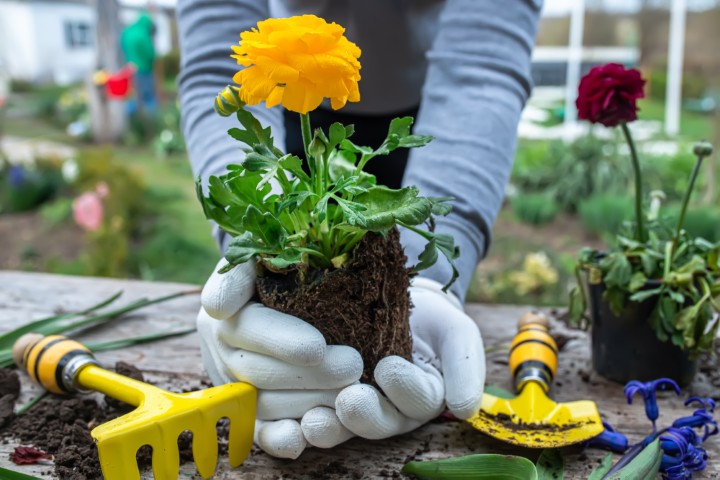
    Some gardens begin with grand ambitions. A patch of roses to rival the neighbors, a row of tomatoes lined up like little soldiers, or perhaps a teeming border of color in the front yard. Others though, sneak up on you like a forgotten pot of mint by the kitchen step or a stubborn geranium on the window ledge that keeps coming back, year after year. More than the plants themselves, it’s the habit of returning to a garden, season upon season, that marks time and memory.

    A friend of mine, Eleanor, still keeps her backyard in quiet order, though she’s long made peace with the slower pace. She often says the weeding is never really finished, and laughs, because it’s not about finishing. The small tasks—a bit of watering here, a gentle check on the rhubarb, add subtle punctuation to her afternoons. The garden forgives her when she misses a day or two, just as it did when her hands moved faster.

    Watching things grow has a humbling effect. Sometimes the seeds sprout, and sometimes they don’t. Some years, the hydrangeas bloom outrageously blue, and other times, they sulk in the dirt. There are lessons in this: patience, acceptance, and even appreciation for the surprises and setbacks. Many people who’ve spent time with soil find themselves thinking less about the perfect outcome and more about the rhythm—the familiar push and pull of weather, weeds, and willpower.

    There’s no need for a showcase garden to enjoy the quiet rewards of tending plants. A small windowsill of herbs, a single pot on a balcony, a cluster of violets passed down from a neighbor, all carry their own meaning. These tokens of growth can be reminders of summer afternoons spent with grandchildren, or the comfort of a favorite mug of tea brewed with fresh mint. Sometimes, just a morning spent pulling buttercups recalls the childhood gardens of long-ago relatives, and the smell of cut grass becomes a kind of memory shorthand.

    One thing about time: it softens the urgency. There’s still satisfaction in the first ripe tomato or a snapdragon that manages to survive the wind, but there’s less disappointment when things go their own way. Mistakes are less dire. A missed week of watering, an overgrown corner, these are just part of the garden’s story. The plants forgive, and so, in a small way, do we.

    The sights and sounds of a garden shift in step with the seasons, and sometimes with the abilities of the gardener. Raised beds, long-handled tools, or a simple folding stool beside the flower pots can change the way a person works without draining the enjoyment from it. Those adjustments don’t steal the pleasure—they just help the gardener and the garden continue to meet one another.

    It’s not unusual to find comfort in pattern and repetition. There’s a solace in tracing the same steps along a garden path each morning, spotting new shoots where none showed the day before, noticing the eager tapping of a chickadee or the sluggish buzz of a lazy bee. Many people find, as the years stretch on, that these simple, repeated acts are anything but routine. Each day in the garden is quietly singular, and the slow work of tending never quite loses its purpose.

    Even those who have left behind a plot of earth often carry the memories of past gardens—a patch of nasturtiums against a brick wall, the smell of lilac heavy in the evening air, the time a neighbor shared cuttings over the fence, and a new friendship put down roots. There’s a lasting satisfaction in knowing that, however modest the scale, caring for growing things shapes the pace and mood of a day. Sometimes it offers a gentle invitation: step outside, brush the dirt from your hands, let the small acts of attentiveness work their quiet magic again.

    As the seasons shift and the gardens change, the gardener, too, shifts and grows. The most beautiful corners might not be the ones planned so carefully, but those that remind us, softly, persistently, of time well spent and the gentle persistence of life, year after year.


  • Revival of Classic Vinyl Records Draws Interest Across Generations

    Revival of Classic Vinyl Records Draws Interest Across Generations

    Sales of vinyl records, once thought to be a relic of the past, continue to soar across the United States, with data from the Recording Industry Association of America (RIAA) showing a steady rise through 2023. For many people aged 65 and older, this trend offers both a nostalgic return to familiar rhythms and a way to share music with younger family members.

    Vinyl surpassed CD sales in 2022 for the first time since the 1980s, a remarkable milestone considering the dominance of digital formats. This year, shops specializing in records across cities such as New York, Chicago, and San Francisco have reported brisk business, often driven by customers seeking classic albums from the 1960s and 1970s. Icons like The Beatles, Fleetwood Mac, and Bob Dylan top the list.

    For those who grew up with vinyl, the resurgence stirs memories of evenings spent around a turntable, the distinct sound and ritual of placing a needle carefully on a spinning disc. Music historian Dr. Helen Carver notes that the tactile experience of vinyl can reconnect listeners to the past in a way streaming rarely does. “It’s about more than just the sound,” she says. “The album art, the physical presence of the record—these all create a fuller experience.”

    Beyond emotional resonance, there are practical aspects that resonate with older adults. Many find that turntables and records allow for more deliberate listening, which dovetails with cognitive benefits linked to engaging with familiar routines and sensory experiences. Research from the University of California has suggested that such involvement can support memory and focus, areas often of concern in later life.

    The financial angle also merits mention. Authentic vintage records have become collectible commodities, appreciating in value much like art or antiques. Older adults who held onto their collections might find them more than sentimental treasures; some records now command hundreds or thousands of dollars on auction sites. This market, however, requires caution as condition and authenticity affect value substantially.

    Retailers report a growing number of customers over 60 who are new to vinyl as well. Some are picking up turntables for the first time, drawn to the warmth of analog sound and the charm of album packaging. Stores have adapted by offering beginner-friendly setups and educational resources, catering to various levels of familiarity.

    While streaming services provide convenience, the vinyl resurgence reminds us that music consumption is not only about access but also about connection—whether to the artistry of the musicians, the artwork that accompanied records, or the communal memories they evoke. This dual appeal across generations keeps vinyl relevant well beyond its original heyday.

    Looking ahead, the steady interest from older adults suggests that vinyl will maintain its niche in the music landscape. Regardless of digital advancements, the experience of sitting down with a record and its physical presence remains meaningful. For many, it continues to be a source of comfort, reflection, and joy in everyday life.

  • Second Looks at Familiar Devices: How We Make Peace With Everyday Gadgets

    Second Looks at Familiar Devices: How We Make Peace With Everyday Gadgets

    The first time my granddaughter tried to explain the family group chat to me, I nodded politely, pretending the swiftness on her phone made any sense at all. She rattled off quick instructions, her fingers darting across the glass like small birds. To my eyes, the icons and pop-ups multiplied faster than I could follow.

    Later that night, when things were quiet and the house had settled, I sat in the armchair with my phone and tried again. Slowly. It was not the first time I found myself retracing steps to understand something everyone else seemed to know by heart. There’s a particular humility in learning at this stage of life, especially when it comes to technology, and sometimes, a quiet pride, too.

    Growing accustomed to new devices isn’t as tidy as the commercials suggest. Even small changes—an updated remote control, a doctor’s new patient portal, the altered layout of an online newspaper—can disrupt the gentle rhythms we form. Some days, it can feel as if the world keeps rearranging itself just as we’ve made peace with it. A friend once told me she unplugs her Wi-Fi every time it confuses her, hoping a bit of ‘rest’ will calm it down. We laughed, but there was wisdom in it: sometimes we all need a pause before things make sense again.

    Over time, I’ve noticed I have my own routines for these moments. I keep a notebook with passwords that mean something only to me. My husband, more practical than sentimental, writes his on unlikely scraps of paper—one stuck inside a National Geographic from 1978. The pattern is familiar among my friends and neighbors. We invent our own ways to fit these new shapes into our old lives. It may not be efficient, as the technology folks say, but it works well enough for where we are.

    There’s often talk of the digital divide, but what’s rarely mentioned is how much quiet ingenuity goes on in the margins. I’ve learned more from neighbors than any manual: how to silence an unexpected alarm, how to rescue a vanishing document, and tricks for resizing the font when tired eyes protest. People help each other in small, generous ways—the same way folks used to lend a wrench or offer advice on pruning roses. These new lessons feel oddly similar. They travel by word of mouth, through trust, and the kindness to explain without hurrying.

    Not every piece of technology is a welcome guest. I still bristle at robocalls, and the voice assistants with their too-cheerful answers sometimes make me miss the satisfying clack of our old rotary phone. Yet, when my cousin’s grandson was hospitalized last winter, her tablet was a lifeline. She talked to him every day, saw his smile, and sent him photos. She told me afterward that seeing his small face on the screen was better than any letter, better even than a telephone call. In that moment, wires and circuits came closest to warmth.

    Truth be told, some gadgets remain unopened. A digital picture frame, given by my son, sits in its box. Every now and then I think about setting it up, but there’s comfort in the familiar stillness of paper photographs. Maybe one day, when curiosity outweighs hesitation. For now, there’s no hurry.

    The world won’t wait for us to catch up, but it rarely leaves us entirely behind. We discover our own paces, just as we always have. Technology, for better or worse, is only another piece of the household—a little unpredictable at times, but not impossible to live with. I can manage the basics now, most days. When I find myself lost again, I remember what my neighbor said: ‘Don’t be afraid to press buttons. That’s how you find what works.’

    It’s a kind of truce we make, these familiar devices and us. Both changing, both holding traces of what came before. In their pale glow, sometimes there’s confusion, sometimes a laugh, and sometimes a quiet sense of belonging, threaded through all the updates and forgotten passwords. That feels like enough.

  • Rising Food Prices Prompt Adjustments in Grocery Habits

    Rising Food Prices Prompt Adjustments in Grocery Habits

    Grocery bills have risen steadily across the United States in recent months, affecting household budgets nationwide. According to the U.S. Bureau of Labor Statistics, food prices increased by 7.9 percent over the past year as of May 2024, the largest annual rise since 1981. For seniors, who often manage fixed incomes and may have additional health-related expenses, these shifts pose tangible challenges.

    The factors behind rising food prices are complex. Supply chain disruptions, droughts affecting harvests, increased transportation costs, and labor shortages all contribute. Energy costs, which impact everything from farming equipment to grocery store refrigeration, have also remained high.

    This combination means that staples once considered affordable, such as fresh fruits, vegetables, and meats, now cost noticeably more. For many older adults, the price jump affects not only their wallet but potentially their nutrition. Dietitians emphasize that maintaining a balanced diet remains crucial, particularly for those managing chronic conditions like diabetes or heart disease.

    Meals that were once straightforward to prepare with fresh ingredients sometimes require reconsideration. Some individuals are turning to canned or frozen alternatives, which can offer longer shelf life and perhaps better price stability. However, experts warn that certain canned goods can contain high levels of sodium or added sugars, which might not be ideal for some health conditions.

    Community programs and food assistance resources have seen increased demand. Food banks and senior centers report more requests for nutritious options, recognizing that older participants are navigating higher costs alongside medical expenses and housing.

    Financial adjustments in households are also evident. Shoppers are increasingly comparing prices, buying in bulk when possible, and seeking sales on key items. Farmers markets, often prized for fresh local produce, have sometimes become pricier as well, reflecting inflation along the supply chain.

    Experts suggest that planning meals around seasonal produce might help mitigate some expense. Seasonal items tend to be more abundant and less costly. Additionally, simple cooking methods that maximize leftovers and reduce waste can stretch food dollars further.

    From a broader perspective, the rise in food prices intersects with the ongoing concern for food security among older adults. Researchers at the National Council on Aging report that nearly one in ten Americans over 60 faces food insecurity, a figure expected to grow if price trends persist.

    Healthcare providers note that the nutrition challenges linked to rising prices can influence overall health outcomes. Poor nutrition exacerbates vulnerability to infections, complicates recovery from illness, and can impair mobility and cognitive function.

    The current situation underscores the need to monitor economic trends closely and consider tailored responses for older adults. While policy discussions continue around supporting vulnerable populations, many individuals and communities are finding ways to adapt.

    Food remains more than sustenance; it is central to independence, social connection, and quality of life. Attending to changing costs and their impacts on older adults is a practical concern that speaks to broader issues of aging, health, and well-being. For now, the main challenge lies in balancing budgets without compromising the nutrients that keep people active and engaged.

  • Book Publishing Sees Resurgence Among Older Writers

    Book Publishing Sees Resurgence Among Older Writers

    The American publishing industry has reported a notable rise in manuscripts submitted by authors aged 60 and above over the past two years. Publishers and literary agents across the country are observing an influx of new and previously unpublished writers in this age group, signaling a shift in the literary landscape.

    According to data from the Association of American Publishers, submissions from older adults increased by nearly 25 percent between 2021 and 2023. This uptick has drawn attention to the diverse voices and life experiences that are shaping contemporary literature. Nancy Ellison, senior editor at HarperCollins, described the trend as “a welcome broadening of perspective, enriched by decades of observation and storytelling.”

    For readers of a certain age, this development brings more relatable content and reflections on themes such as retirement, loss, renewal, and long-term relationships. It also highlights how creativity and professional reinvention remain vibrant well into later years. Many authors who have taken up writing after other careers are finding their experiences resonate widely.

    The pandemic, with its disruptions and enforced solitude, played a role in encouraging some individuals to put pen to paper. Psychologists note that engaging in creative pursuits like writing can be beneficial to cognitive health and emotional wellbeing for people in retirement or semi-retirement. Dr. Helen Vickers, a gerontologist, says that “expressive writing offers a way to process complex life experiences, stay mentally sharp, and maintain a sense of purpose.”

    Financial realities also influence the trend. Some older adults are writing memoirs or novels as supplementary income, amid uncertainties about pensions or savings. Others seek to leave personal legacies. The publishing industry has recognized these motivations and is creating more opportunities for older authors through niche imprints and writing workshops catering to mature writers.

    Nonetheless, challenges persist. Older authors may encounter difficulties with the fast pace and digital demands of publishing, including promotion on social media platforms unfamiliar to them. Some agents note that the market remains competitive and that age bias can still emerge subtly, affecting opportunities for visibility and book deals.

    Despite those hurdles, published works by older writers are earning critical acclaim. Novels by new authors in their 70s and 80s have appeared on bestseller lists and been shortlisted for major awards. These successes demonstrate the audience’s appetite for fresh viewpoints grounded in lived experience.

    Libraries and community centers are responding by organizing reading groups and literary events focused on mature writers. Such gatherings foster community engagement and combat isolation by celebrating the value of older adults’ stories.

    This shift toward inclusivity in publishing invites reflection on the broader cultural role of aging. It counters stereotypes about creativity and productivity declining with age, instead illustrating an evolving narrative rich with wisdom and renewed ambition. For many older readers and writers, the changing literary scene offers both inspiration and affirmation.

    Where this trend will lead remains open, but the presence of mature voices in print offers a distinctive contribution to American cultural life. It underscores that creativity and engagement with society can continue to grow, not diminish, with the passing years.

  • Shared Cups, Quiet Moments: The Shapes Love Takes Over Time

    Shared Cups, Quiet Moments: The Shapes Love Takes Over Time

    Some mornings, the only conversation I have with my husband before the newspaper arrives is a simple, wordless passing of the coffee pot. He pours, I add cream, and the day unfolds without drama or choreography. Years ago, the start of our day was filled with busy children, decisions, reminders, the punctuation of slamming doors. Back then, I might have thought that a day like this—two people at one table, more silence than words—meant something was missing. Now, I know different.

    It’s easy to assume the shape of love stays steady through the decades. The stories we grew up with promised declarations and steady devotion, grand gestures for anniversaries and birthdays. Yet love, if we watch it quietly, cannot help but shift and settle with us as we change. The tender urgency of young romance softens, and in its place grows something quieter: the small, daily things that prove you are not alone.

    My friend Eleanor often tells the story of the first time her husband installed an outdoor light by the back door. “It never occurred to me to ask for it,” she says. “The way that porch bulb shone made me feel safer than any bouquet ever could.” When you hear these everyday gestures, it’s clear: affection is often something you notice only in reflection, textured by time and circumstance.

    For people in their sixties, seventies, and beyond, relationships can take on a different hue. Some couples are negotiating retirement together, navigating a house suddenly quiet in the afternoons. Others are single again—by fate or choice—and discovering the slow joy of friendships that grow deeper over board games, community projects, or simply sitting together on a breezy afternoon. There’s no single prescription for connection, but a common thread is a willingness to adapt as needs and circumstances change.

    Change, of course, comes whether we invite it or not. Health shifts. Family configurations alter. Sometimes old friction eases, sometimes it stirs up anew. One neighbor shared with me that after sixty years together, she and her husband still bicker fiercely over housekeeping, but over dinner they laugh it off and leave it where it was. “We’re both too old to keep score,” she grins, brushing crumbs off the table.

    When people look for advice on relationships later in life, they’re often hoping for a map: how to keep the spark, how to address new challenges, how to stay close when rhythms and routines have shifted beyond recognition. But the stories people share rarely involve perfect solutions. More often, they are about forgiveness: letting go of irritations that no longer matter, recognizing that love sometimes looks like stepping back, choosing peace over winning. Small accommodations—sharing a favorite chair, remembering how someone likes their tea, giving space for a mood—add up over years.

    Sometimes, connections are built or rebuilt not through conversation but through action. I know a couple who each lost a spouse, and began their relationship later in life. Their fondness grew over shared errands, tending a garden, trading favorite poems in the mail. There is grace in finding someone who meets you not as you were at twenty-five, but as you are now—with some aches, some baggage, yet with more room for patience and acceptance.

    It is just as true that solitude can be companionable. I think of my aunt, whose circle of friends gathers every Saturday morning for a slow walk in the park. Their chatter loops and meanders; sometimes it’s confessions, sometimes old memories, sometimes simply observations of the week’s weather. These friendships, she says, hold her steady. Being single isn’t a lack, just a different arrangement of togetherness.

    After many years, the textures of love and connection change. Glances become a shorthand, jokes shared over decades require only half a word. The knowledge of another person’s habits can be a comfort or an occasional irritation, but it is always a familiarity—like the worn spot in an armchair that fits you better each year. If life brings loss or new beginnings, the capacity for affection is still there, perhaps deeper than before, shaped and seasoned by the passing seasons.

    It can be easy to overlook these quiet ties in favor of grand stories, but—given time—it’s the gentle persistence of everyday kindness that shapes the strongest bonds. However the shape of your connections may look now, there is meaning in each shared cup of coffee, each porch light switched on, each comfortable silence. These moments, repeated and reliable, are the forms that love and friendship often choose as the years go on.

  • New Lending Rules at Public Libraries Aim to Improve Access for Older Readers

    Public libraries in several U.S. cities have recently updated their lending policies, extending borrowing periods and increasing hold limits for patrons aged 65 and older. These changes, implemented over the past six months, intend to make library resources more accessible to people who may need additional time to enjoy books, audiobooks, and other materials.

    Traditionally, check-out periods at many libraries range between one and three weeks, with limits on the number of books a single person can have checked out at once. The new guidelines now allow older adults to borrow items for up to six weeks and to place more holds on popular titles. Libraries in Chicago, Boston, and Seattle were among the first to adopt the new rules, followed by other large urban systems.

    The shift responds to feedback from patrons and advocacy groups emphasizing the unique challenges older adults face. Mobility issues, caregiving responsibilities, and slower reading paces can make standard borrowing periods difficult. Longer loan times reduce the need for repeated trips and lessen the pressure to return or renew books quickly.

    Beyond convenience, these changes support well-being. Reading has long been linked with cognitive engagement and mental health. More time with borrowed material encourages deeper interaction with books and resources that can combat isolation and promote lifelong learning. For many older adults, libraries serve not just as book lenders but as centers for community connection.

    Library officials acknowledge logistical challenges, such as managing inventory and ensuring fair access for all users. Some express concern that longer borrowing may increase wait times for popular items. To mitigate this, many systems are expanding digital collections and encouraging the use of ebooks and audio formats, which can be downloaded immediately and returned automatically.

    Funding and staffing constraints remain a hurdle. Public libraries often operate with tight budgets, and increased demand requires careful planning. Partnerships with local governments and nonprofit organizations have become increasingly important to sustaining these expanded services.

    Experts in aging note that adapting public services to meet the needs of an aging population is a growing priority nationwide. According to the Administration on Aging, people aged 65 and older represent the fastest-growing demographic in the country. Ensuring equitable access to cultural and educational resources can enhance quality of life and foster independence.

    While the changes are still rolling out, early reports suggest positive reception. Several older patrons have praised the extended loan periods for allowing unhurried reading and reduced stress. Library counseling staff have also observed increased engagement in book clubs and reading programs tailored to older adults.

    Access to reliable information and enriching recreational materials remains a vital component of healthy aging. As libraries continue to adjust their services, they reflect evolving community needs and demonstrate a commitment to inclusivity.

    The renewed focus on accommodating older adults in public spaces highlights broader societal shifts. It also underscores the role of libraries not just as repositories of books but as vital hubs for lifelong learning and social connection. Going forward, it will be important to watch how these policies balance accessibility with sustainability across different regions and library systems.

  • Managing Medication: Tips for People Aged 65 and Older to Stay Safe and Independent

    Managing Medication: Tips for People Aged 65 and Older to Stay Safe and Independent

    Managing multiple prescriptions can be a daily challenge for many adults aged 65 and older. With the increasing prevalence of chronic conditions such as arthritis, diabetes, and heart disease, the number of medications prescribed often grows. Recent findings from the Centers for Disease Control and Prevention indicate that nearly 40 percent of adults in this age group take five or more prescription drugs regularly.

    The complexity of medication regimens can lead to confusion, errors, and even adverse health effects. Missed doses or incorrect combinations can reduce a drug’s effectiveness or cause harmful side effects. For example, certain blood thinners combined with over-the-counter pain relievers may increase bleeding risk, an issue raised by pharmacists and geriatric specialists alike.

    Staying organized is crucial. Many older adults benefit from using pill organizers, which separate doses by day and time. Pharmacists can also synchronize refill schedules, so all medications are picked up on the same day, reducing trips to the pharmacy. Keeping an up-to-date medication list, including vitamins and supplements, provides a valuable reference during medical appointments or emergencies.

    Healthcare providers encourage patients to regularly review their medications. This practice, sometimes called a “brown bag review,” involves bringing all medications to a doctor’s or pharmacist’s office to ensure everything is still necessary and appropriate. Some drugs prescribed years ago may no longer be needed, or dosages might require adjustment.

    Financial considerations often influence medication adherence. The rising cost of prescription drugs poses a significant burden on fixed incomes. Many individuals find themselves facing difficult choices between paying for medications and other essentials. Programs such as Medicare Part D can help, but coverage gaps and copays remain hurdles. Community organizations sometimes offer assistance or guidance on cost-saving measures.

    Remembering to take medications can also be a problem, especially for those with mild memory decline. Setting alarms, keeping medicines in visible, consistent spots, and involving a trusted family member or caregiver can improve compliance. Technology offers additional support; automated dispensers and reminder apps are increasingly user-friendly, though some older adults may need initial assistance to set them up.

    While medications play a vital role in maintaining health and independence, they are part of a larger picture. Lifestyle factors such as diet, exercise, and mental wellness contribute significantly to well-being. Engaging in regular physical activity, eating a balanced diet rich in fruits and vegetables, and maintaining social connections often reduce the need for multiple medications.

    Medical professionals caution that no single approach works for everyone. Communication remains key: patients should feel comfortable asking questions, discussing side effects, and expressing concerns about their treatment plans. This dialogue helps ensure that medication regimens are tailored to individual circumstances and preferences.

    Ultimately, managing medications effectively supports aging with dignity and independence. With the right tools and support, adults 65 and older can navigate their treatments safely, preserving not only their physical health but also their quality of life. Regular check-ins with healthcare providers, mindful organization, and awareness of financial options create a reliable framework for this often complex task.

  • Melodies We Carry: How Songs Travel with Us Through Life

    Sometimes you catch a melody in your mind before your feet hit the floor. For me, it’s the scratchy sound of a portable radio from 1969, the chords of a song my older sister hummed while packing school lunches across our brown Formica counter. That tune still shows up, unannounced, on rainy afternoons when I’m sorting through old mail. Music has a way of weaving itself through our days, lingering even when we forget why we started singing in the first place.

    For many, music is a kind of time traveler. A simple opening note can redraw the room you grew up in, plop you right back into the crowded church hall, or summon the sense memory of sticky-fingered grandchildren dancing in circles. Some things fade with the years, but music sticks. It resists the drift of memory, settling in surprising corners of everyday life.

    There’s a small café not far from my apartment, and on Thursday afternoons a retired jazz guitarist named Sam sets up by the window. Familiar faces gather: a woman with silver hair and a portable knitting bag, a man in work boots who never seems to finish his crossword. Sam’s fingers move with the patience of someone who understands the pauses between notes matter just as much as the melodies. Folks nod along to standards and the relaxed hum in the room feels like a warm sweater—threads linking us to old records and quieter evenings.

    We don’t often talk about the real work music does between the big occasions. It has a steady background presence that can comfort a restless spirit or stir up a forgotten ache. A song might hang behind you in the garden, slip between verses while you fold laundry, or chase you during an early morning walk before the world is fully awake. There’s no ceremony about it. The small rituals—tuning the radio, winding a grandfather clock with each measure—are as much a part of a song’s staying power as the lyrics themselves.

    Music is also a bridge, especially when conversation stumbles. In one neighbor’s living room, three generations try to understand each other over baked goods and opinions. Often, a shared song is what brings the laughter back, mixes memories old and new. It’s not nostalgia exactly, but something deeper: the sense that we’re participants in a long chorus, not just listeners on the sidelines.

    Of course, tastes shift. Songs you loved for decades may suddenly sound a bit different, just as faces in old photographs take on new meaning. Sometimes you find yourself drawn to unfamiliar sounds—a grandchild’s playlist, a concert in the park—and it surprises you how easily a new tune finds a place alongside the old ones. It’s a reminder that music doesn’t belong to one decade, or one stage of life. It belongs to whoever needs it, whenever they do.

    There’s a comfort in knowing the soundtrack of your life can be remixed at any moment, that the record isn’t fixed. On quiet nights, I still hear strains of that long-ago lunchroom, layered with today’s discoveries. It’s a gentle gift, these melodies we carry and the new ones we’re willing to let in. If you catch yourself humming once in a while, know you’re in good company. The songs we keep close travel with us, softly marking the time.

  • The Language of Value: What We Learn from a Lifetime of Spending and Saving

    There is a certain quiet wisdom that settles in after decades of watching dollars come and go. I see it in the way my neighbor irons her grocery lists, weighing every coupon like an old friend. I hear it in the patient cadence of a friend’s story about his first summer job, mowing lawns for a dollar an hour, the bills crisp and strangely magnificent. Living through different cycles—recessions, windfalls, tight times and looser ones—shapes how we think about money, sometimes sharpening our habits, sometimes softening them.

    Money isn’t just about numbers on a bank statement. It’s woven into our rituals and memories, like the jar of spare change my father kept on top of the refrigerator. When enough pennies gathered, it meant a movie matinee, popcorn included, or a small treat from the corner store. Even in leaner stretches, some small pleasures were set aside. Not to teach lessons, just to hold on to a sense of possibility.

    Over time, it gets easier to recognize the difference between the things that bring comfort and those that only promise it. The pull of mail-order gadgets fades, replaced by the familiar pleasure of fresh coffee brewed just right. A part of becoming older is understanding what truly feels like enough. And for many, this means finding a balance—spending without guilt on moments and people that matter, saving without letting anxiety crowd out kindness to oneself.

    The act of budgeting can feel less like a chore and more like quietly tending a garden. In youth, the attention often falls on what’s missing or needed next. With years, there is a subtle shift. You might find yourself reviewing a bank statement less for errors and more out of curiosity: Did I really enjoy that meal? Was the new sweater a treat or an impulse?

    It’s common, too, to look back at earlier money decisions and cringe—or smile with a kind of rueful affection. There are old checkbooks tucked in a drawer, their faded ledgers showing ambitious savings plans, whimsical purchases, and the stubborn march of fixed expenses. Some choices were lucky, others costly. If anything binds these memories together, it’s the knowledge that money alone rarely brings peace of mind. But the stories it carries—well, those linger.

    I once knew a couple, both retired teachers, who saved for decades with quiet diligence. When the time came, they chose to spend on travel, visiting their grandchildren across the country. Each story they brought home—a funny airport mishap or a picnic by the sea—felt worth every scraped-together penny. Their careful saving granted them the means, but it was the willingness to spend on connection that gave their money meaning.

    Not everyone has the luxury of abundance in later life, but resourcefulness finds its own currency. I notice the subtle economies in friends who swap garden produce, or those who share subscriptions to read the newspaper or watch a favorite series together. There’s a shared pride in making do, in the creativity that surfaces when one is not simply buying solutions but making them. A retired neighbor, handy with tools, once fixed a torn window screen in exchange for a loaf of homemade bread. Both the screen and the loaf seemed somehow richer for the bargain.

    Worries about money still visit, of course. Some nights invite their old anxieties, tallying up medical bills or wondering about the future. Yet these moments often bring with them a deeper sense of perspective—what has already been weathered, what is still possible. Old fears can lose their edge, replaced by quiet confidence in handling what comes next, or at least facing it with honesty.

    It’s also true that money conversations become easier among friends as the years pass. There’s less pretense, more gentle truth-telling. Someone might confess to splurging on a concert ticket because the music called to something within them. Another shares a tip for finding the best deal at the farmer’s market. The awkwardness of past decades gives way to camaraderie—an understanding that no two balances sheet of life’s earnings and spending looks the same, and that’s just as it should be.

    So much of life’s comfort rests in knowing what brings real value, and that definition is personal. For some, it’s the security of a steady account. For others, it’s the occasional act of generosity—a meal for a friend, a donation, time spent volunteering. When I think of the lessons gathered from all these years of earning, saving, and sometimes spending with abandon, I realize they have less to do with sums and more to do with care. Care for oneself. Care for others. The quiet trust that value doesn’t always come with a price tag.

    What remains, after plenty of math and memory, is something less tangible and more lasting—a language of value, carried in the jokes made over split bills, the gratitude in a handwritten thank-you, or the contented sigh after a simple dinner at home. Through it all, money moves beneath life’s surface—a tool, a challenge, a shared story—teaching lessons that don’t fit neatly into statements or coin jars, but add up all the same.